Song Meaning
The lyrics paint a stark picture of a community in crisis, where desperation breeds violence and suffering. The opening lines immediately establish a tone of lament, with "the youths dem wailing" and "crying." This sets the stage for a plea for help that echoes through the "valley," a metaphor for a place of despair and hardship. The central tension arises from the cycle of violence and poverty, where "brothers die in street / From a bullet by another brother" simply "trying to find food to eat." This grim reality forces people into becoming "enemies" just to survive, leading to collective "defeat."
The song's power lies in its direct, almost raw, address to those in power. The repeated question, "How many times do we have to see," underscores a profound weariness and frustration with the status quo. The narrator explicitly states the purpose: "delivering this message / To every leader in the world." This isn't just a lament; it's a demand for attention and action, highlighting the indifference of leaders who "don't care about their needs."
The recurring "Wa yoy, wa yoy" refrain, coupled with "Their wailing, their wailing," amplifies the sense of communal grief and desperation. It’s a visceral expression of pain that transcends specific words, emphasizing the shared suffering. The lyrics suggest that this widespread sorrow is a direct consequence of systemic neglect, where mothers cannot provide for their "youths" and people cry out "asking for help" to uncaring ears. The hope for "a change some day" is a fragile ember against the overwhelming darkness depicted.
Ultimately, the effectiveness of these lyrics stems from their unflinching portrayal of a cycle of violence fueled by poverty and the profound sense of abandonment by leadership. The direct address and the raw emotionality of the wailing create a powerful indictment, forcing the listener to confront the human cost of societal failures. It’s a cry from the valley, a message sent because inaction has made enemies of brothers.
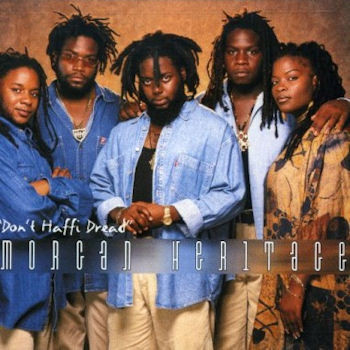
 View Artist