Song Meaning
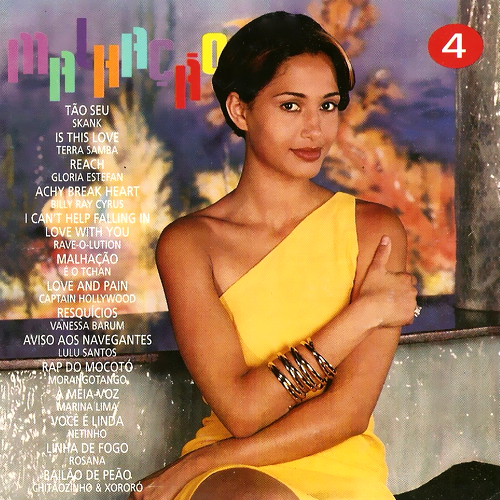
This track throws you right into the heart of a lively country fair, a 'festa de peão.' The narrator is fully immersed, declaring "Também to no meio" – "I'm in the middle of it too." It’s a scene painted with the sound of a "sanfona puxando alegria" (accordion pulling joy), promising a night of dancing that lasts until dawn, "arrasta – pé até raiar o dia." The immediate vibe is pure, unadulterated fun and connection.
The central tension here is the intoxicating blend of celebration and burgeoning romance. The narrator is clearly enjoying the party, but there's an underlying current of seeking something more intimate. He's "bebericando, molhando as palavras" (sipping, wetting the words), a subtle hint at loosening up and perhaps expressing deeper feelings. The lyrics suggest that within this festive atmosphere, "Na brincadeira pode dar romance" (in the game, romance can happen), especially if "a moça der chance" (the girl gives a chance).
The repeated refrain, "É bailão, é rodeio / Festa de peão / Também to no meio," acts as an anchor, grounding the listener in the setting while also emphasizing the narrator's active participation. This repetition underscores the immersive experience of the fair. Later, the line "Só vou embora quando passa o rodo" (I only leave when the sweep happens) implies a dedication to soaking up every last drop of the experience, whether it's the party itself or the potential for connection.
What makes these lyrics resonate is their directness and the palpable sense of anticipation. The narrator isn't just observing; he's actively participating and hoping for a romantic spark amidst the revelry. The simple, evocative imagery of dancing close, "Trago a morena pra junto do peito / Bem no compasso do meu coração," captures the essence of finding a personal connection within a large, energetic crowd. It’s the thrill of possibility in a vibrant setting.
 View Artist