Song Meaning
The lyrics paint a picture of intense, almost obsessive devotion, centered around a recurring phrase: "Your heart is always blue." This isn't a simple declaration of love; it suggests a persistent, underlying sadness or melancholy that the speaker attributes to the object of their affection. The narrator’s own feelings are described as "feeling my passion," a powerful, driving force that seems to be both the cause and consequence of this blue-hearted state in the other person.
The central tension emerges from the narrator's dual experience: a fervent "passion" for their "baby" and the unsettling observation that this person's heart remains "blue." This blue state is directly linked to the narrator's own feelings, creating a feedback loop where their intense love and passion seem to be the very things that keep the other person in a state of sadness. The repetition of "feeling my passion" emphasizes the overwhelming nature of the narrator's emotions, which don't seem to alleviate the other's blues.
The most striking aspect is the persistent, almost paradoxical connection drawn between the narrator's passion and the other person's sadness. The lyrics state, "Cause your memory drives me crazy," but it's the narrator's own passion that is repeatedly cited as the reason for the other's blue heart. This suggests a complex dynamic where the narrator's intense love, rather than bringing joy, might be perceived as overwhelming or even a source of distress for the beloved, leading to a perpetual state of melancholy that the narrator acknowledges but doesn't seem to resolve.
This creates a poignant, albeit simple, emotional landscape. The effectiveness lies in its raw, repetitive assertion of a complicated emotional state. The narrator is caught in a cycle, driven by their own powerful feelings, yet observing a persistent sadness in the person they love, a sadness they seem to believe their own passion is responsible for. It’s a snapshot of love that’s both all-consuming and, perhaps, a little suffocating.
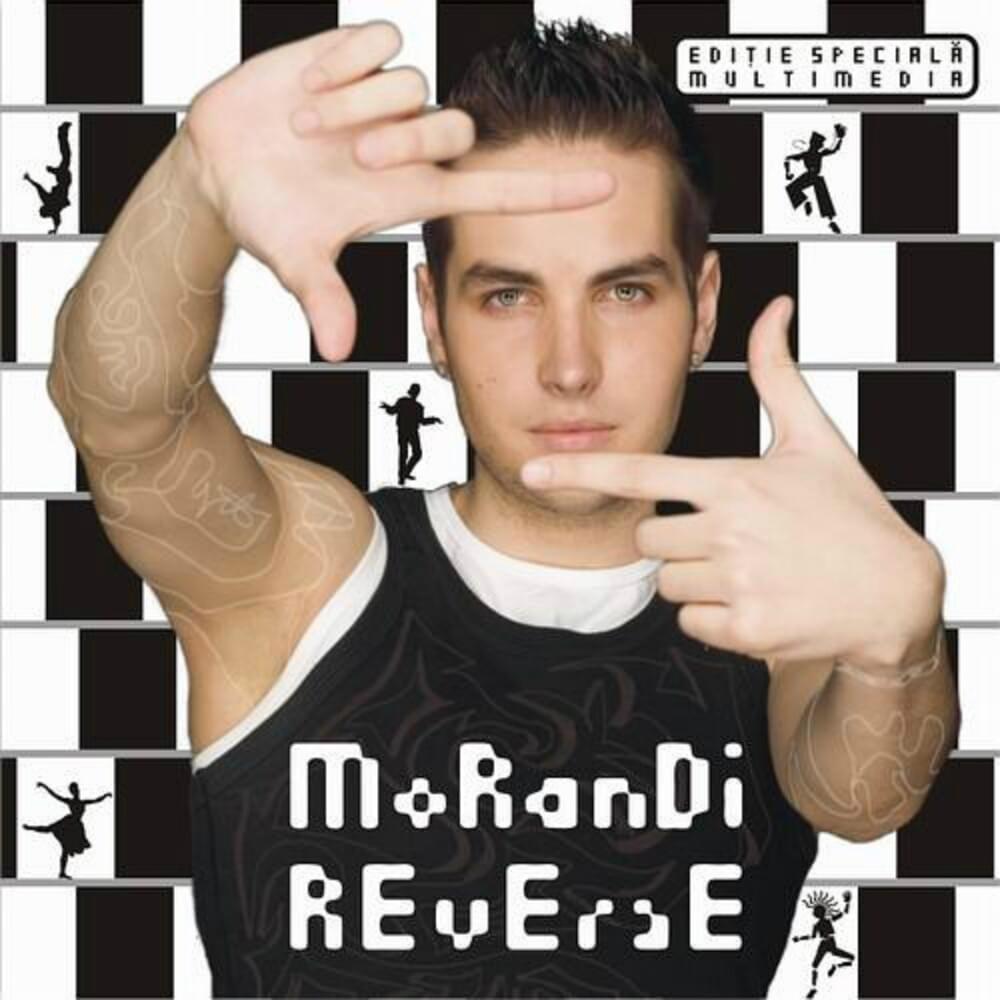
 View Artist