Song Meaning
The lyrics paint a picture of someone actively seeking a romantic connection, a desire expressed with a directness that feels both hopeful and a little urgent. The repeated phrase "Toda vida te busquai" suggests a long-held yearning, a search that has spanned a lifetime. This isn't a passive wish; the narrator is taking initiative, asking people on the street, "Quero ser contigo só nos dois" – a bold declaration of wanting an exclusive, intimate relationship. The tone is one of eager anticipation, a plea to fall in love, promising a positive outcome: "Apaixona baby, vais ver pois."
The core of the song lies in this persistent pursuit and the promise of romantic fulfillment. The chorus, with its repeated "Ooh, ve uma e beijo uh la la," acts as an incantation, a sonic representation of the desired outcome: seeing someone and then sharing a kiss. The "uh la la" adds a playful, almost flirtatious sound, underscoring the lighthearted yet deeply felt desire for connection. It's a simple, infectious expression of wanting to be swept away by romance.
The effectiveness of these lyrics stems from their directness and the hypnotic repetition. The narrator isn't hiding their intentions; they are laid bare in straightforward language. The repeated chorus builds a sense of inevitable arrival, as if the repeated "beijo" is a destination the song is steadily moving towards. This creates an emotional arc that's easy to follow, drawing the listener into the narrator's hopeful quest for a kiss and a shared moment.
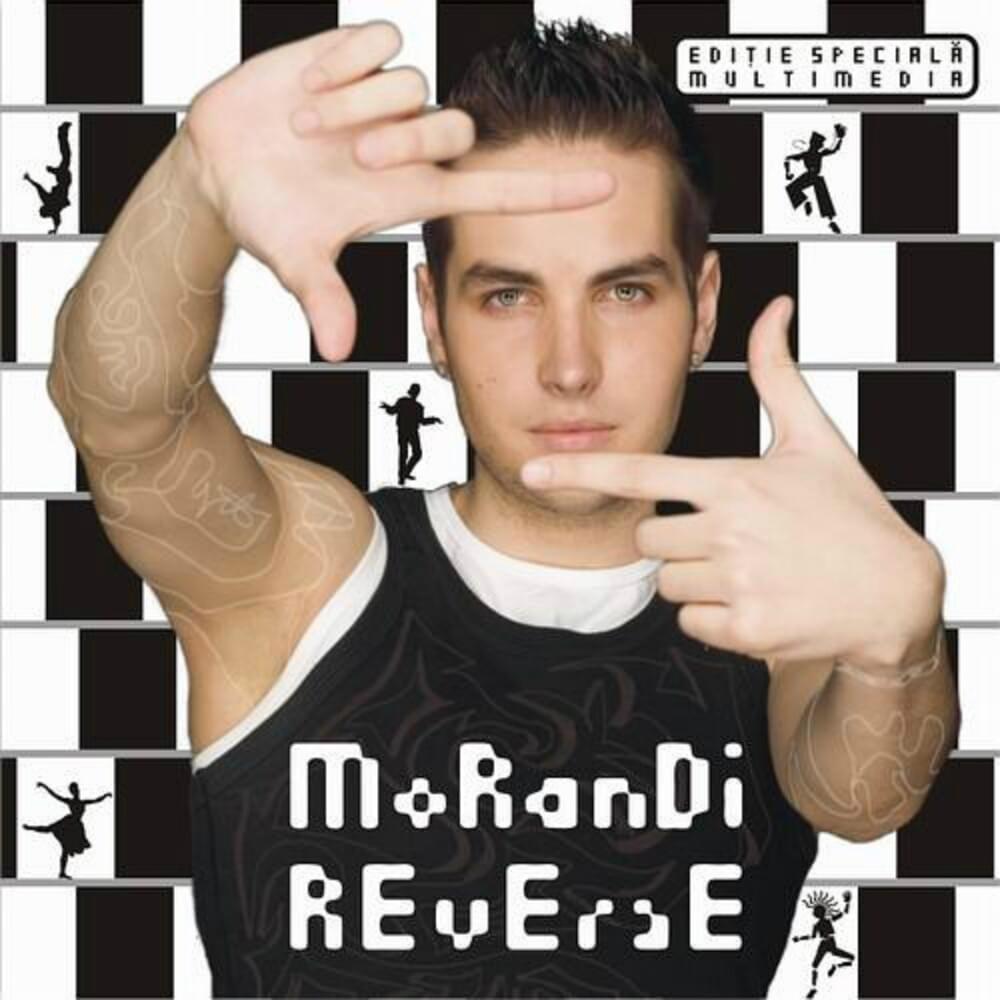
 View Artist