Song Meaning
The lyrics paint a picture of profound apathy and disorientation. The opening lines immediately establish a mood of listlessness: "Yine keyfim yok, hiç ışık yok" (I'm not happy again, there's no light) and "Yine hayat yok etrafımda" (Life is gone around me again). This isn't just a bad day; it's a recurring state of emptiness, a feeling of being disconnected from one's own existence, questioning reality itself: "Ne haldeyim, hayal miyim?" (What state am I in, am I a dream?). Despite this internal turmoil, there's a curious detachment, a claim that "Aslında kimseye zararım yok" (Actually, I'm not harming anyone), suggesting the struggle is intensely personal and internal.
The core of the song's emotional weight lies in its relentless repetition, emphasizing a cyclical trap. The refrain "Hep aynı dertler hep aynı / Hep aynı sözler hep aynı" (Always the same troubles, always the same / Always the same words, always the same) hammers home a sense of stagnation. This isn't just about external problems; it's about the unchanging nature of the narrator's suffering and the familiar, unhelpful discourse surrounding it. This feeling of being stuck is amplified by the recurring question "Ben kimim, nerdeyim?" (Who am I, where am I?), highlighting a deep existential confusion that the narrator feels trapped within.
The writing masterfully uses contrast to underscore the narrator's internal state. While the external world seems devoid of light and life, there's a powerful, albeit unsettling, internal landscape. The repeated line "İçimde çok büyük bir şeyler var" (There are very big things inside me) juxtaposes the outward apathy and confusion with a sense of immense, perhaps overwhelming, inner potential or turmoil. This creates a tension between the narrator's perceived helplessness and a vast, undefined inner world that feels both significant and alienating.
This lyrical construction is effective because it mirrors the experience of deep ennui and existential questioning. The simple, direct language and the insistent repetition create a hypnotic, almost suffocating atmosphere that draws the listener into the narrator's state of mind. The contrast between the external void and the internal immensity leaves a lingering sense of unresolved tension, making the feeling of being lost and stuck profoundly palpable.
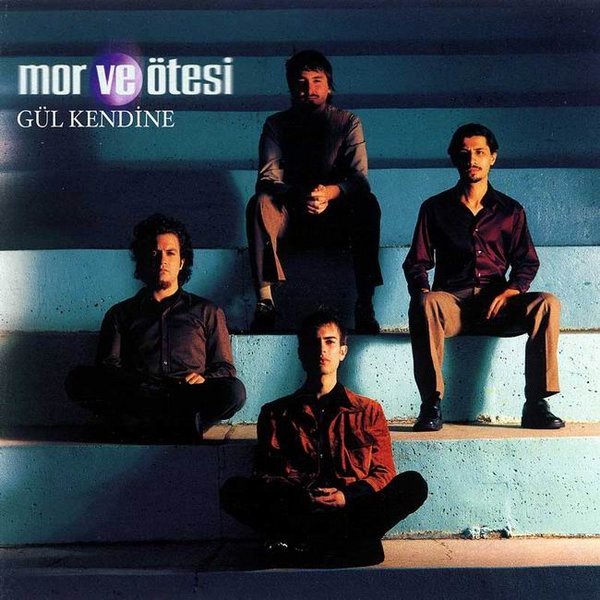
 View Artist