Song Meaning
The lyrics paint a stark picture of struggle and resilience, beginning with a call to action: "Durduğun yerden devam etsin" (Continue from where you stopped). There's a sense of urgency, urging the listener to "Koş, koş, kurtul eskit pabuçlarını" (Run, run, wear out your shoes) to escape a difficult situation. The narrator acknowledges hardship, stating "Dilimiz eksildi, küçük kaldık, düştük" (Our tongue was cut off, we stayed small, we fell), and the accumulation of pain, "Acımız oldu, çok oldu" (We had pain, it became a lot).
The central tension lies in the paradoxical embrace of past suffering, encapsulated by the repeated refrain "İyi ki oldu, iyi ki oldu" (It's good that it happened, it's good that it happened). This isn't a simple acceptance, but a complex acknowledgment that the difficult experiences have shaped the present. The imagery of "Beyaz beyaz dibine dek beyaz" (White, white, white to the core) initially suggests purity or a fresh start, but the line "Rüyası insana yalan söyledi" (Its dream lied to people) reveals this whiteness as deceptive, leading only to initial shock before returning to the overwhelming white.
The most striking element is the transformation of the refrain to "İyi ki varsın, iyi ki yokum" (It's good that you exist, it's good that I don't exist), especially in the outro. This shift suggests a profound acceptance, perhaps even a sacrifice, where the narrator's non-existence is deemed necessary for the other's presence. The bridge offers a glimmer of hope or a constant companion in the form of a shadow: "Gölgem var, iyi ki gölgem var / Bizi yalnız bırakmayan gölge" (I have a shadow, it's good I have a shadow / The shadow that doesn't leave us alone). This shadow, a constant presence, becomes a source of comfort, implying that even in isolation, there's a persistent, albeit dark, form of companionship.
Ultimately, the lyrics resonate because they articulate a difficult truth: that growth often comes from pain, and that acceptance of past hardships, even the deceptive promises of a 'white' future, can lead to a profound, albeit complex, sense of peace. The final lines, a repeated affirmation of existence and non-existence, suggest a hard-won understanding of interdependence and the necessity of certain endings for new beginnings.
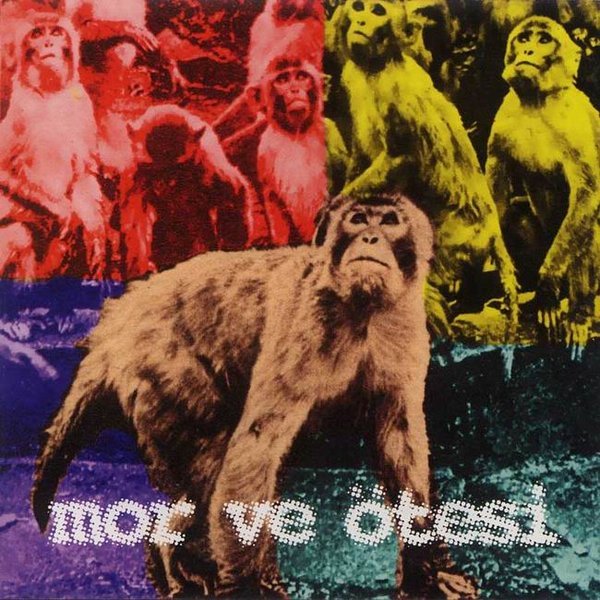
 View Artist