Song Meaning
This track opens with a stark declaration of impermanence: "Bugün varsın, yarın yoksun." The narrator seems to be grappling with a relationship or situation defined by its fleeting nature, urging for a "Kocaman bir çığlık" – a massive scream – to acknowledge the pain. The desire to share this burden, "Benim derdim senin olsun," and to make it known, "Bilen bilsin, duyan duysun," sets a tone of raw, exposed vulnerability.
The core tension lies in the intertwined nature of love and deception, as hammered home in the chorus: "Aşk içinde, yalan içinde." The lyrics present a "Tek bir ayna, bin bir biçimde" – a single mirror in a thousand forms – suggesting that love itself can reflect countless deceptions, or perhaps that the truth of love is distorted and multifaceted. This cyclical repetition of "Hepsi aynı, hepsi içinde" implies a sense of inescapable entanglement, where falsehoods are inherent to the experience of love.
The second verse deepens this ambiguity, with the narrator questioning the presence and intent of the other person: "Belki varsın, belki yoksun / Bi' habersin, belki toksun." This uncertainty is mirrored in the striking image of "Cam gibi bir büyük öfke" on the faces of those who will come, implying a future shaped by this pervasive bitterness. The fragility of glass combined with immense anger creates a potent visual of volatile, easily shattered resentment.
Ultimately, the song's power stems from its unflinching portrayal of love's darker reflections. The repeated motif of the mirror, reflecting both love and lies in myriad ways, captures a complex emotional landscape. It’s this exploration of how deception can become indistinguishable from affection, and how that realization can breed a future filled with brittle rage, that makes the lyrics resonate so deeply.
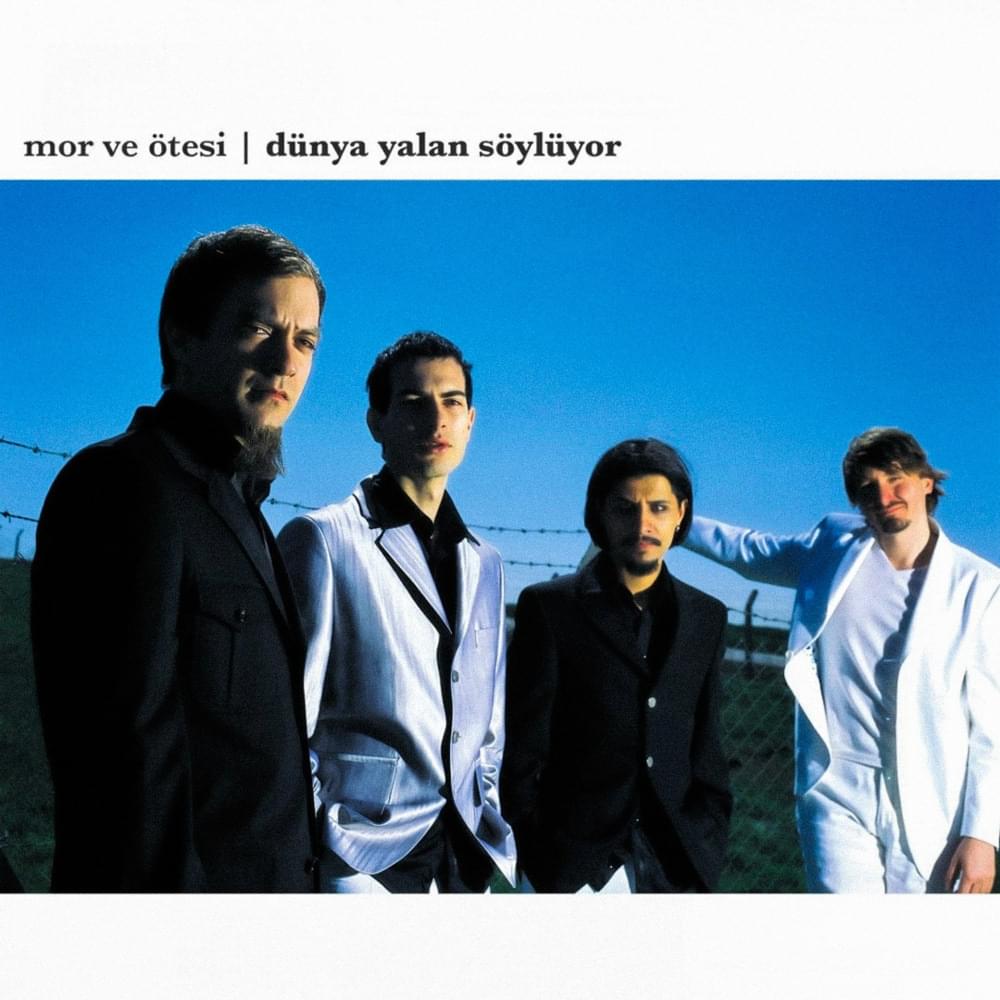
 View Artist