Song Meaning
The lyrics paint a chilling picture of a supernatural awakening, where the narrator, identifying as a "Wolf," emerges from a "frozen Mist" with a primal, almost ritualistic purpose. The setting is steeped in gothic imagery: darkness, a cold Moon, and whispering forests set the stage for a nocturnal hunt. The dominant tone is one of dark power and impending doom, as the narrator declares, "And my brothers will attack under this blood sign..."
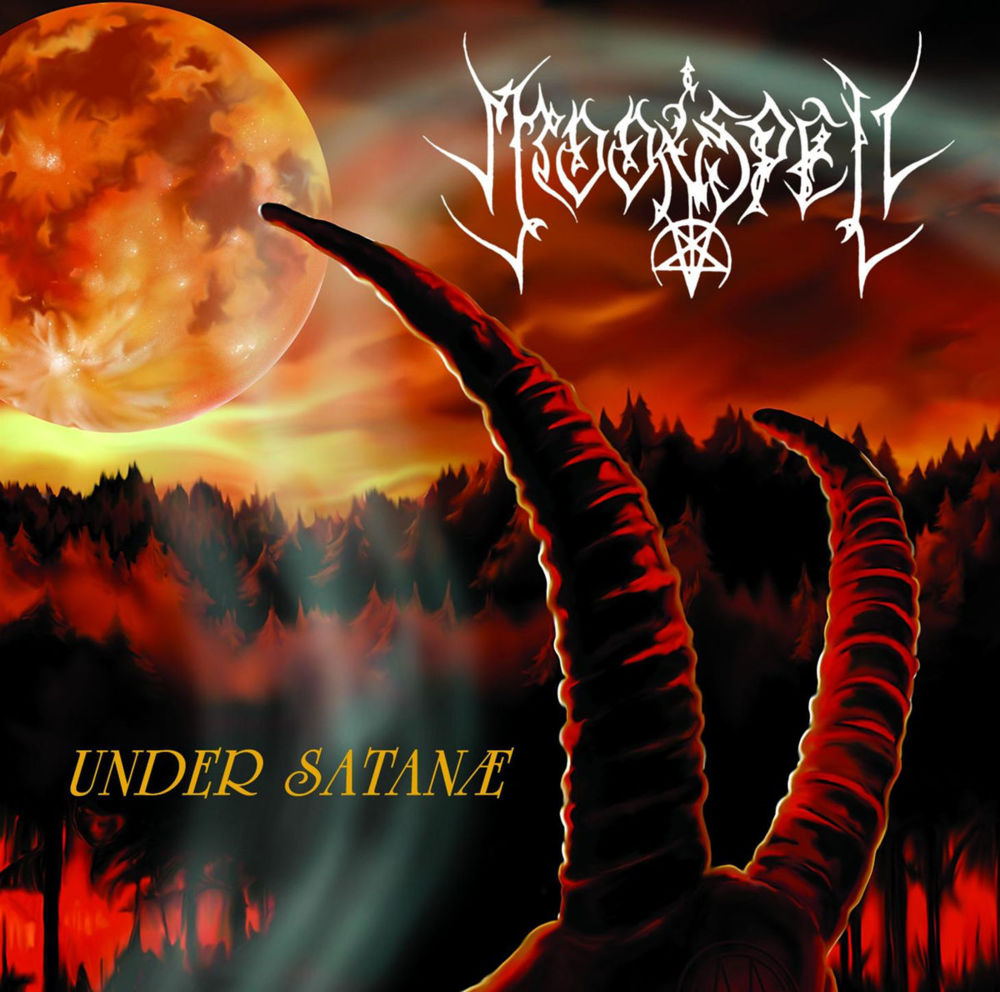
The central tension lies in the narrator's embrace of a monstrous, unholy identity. This isn't just about predation; it's a ritualistic ascent, a "nocturnal operetta" orchestrated by dark forces. The lyrics explicitly reference "Fausts and ninfs" and "Mistress of the Sabbat," invoking a sense of ancient, forbidden revelry. The narrator's transformation culminates in a declaration of allegiance to "our father - the one with horns," Satan, who "is rejoicing in pleasure destroying the shapes of flesh."
The most striking craft element is the fusion of bestial imagery with high, almost operatic, language. The "howling" and "attack" of wolves are juxtaposed with "nocturnal operetta," "bohemia," and "bacanal." This elevated diction transforms the scene from a simple horror trope into a grand, albeit terrifying, spectacle. The repeated motif of rising from the "fog" and the recurring image of "horns" underscore the narrator's supernatural origin and their ultimate allegiance.
These lyrics achieve their impact through a deliberate construction of dark fantasy and ritualistic dread. The specific, almost theatrical, language elevates the primal violence into a cosmic event. The narrator's proud embrace of their "Unholy name" and their final march "to the somber image of our God" with "horns on head" creates a powerful sense of a soul fully surrendered to a dark, ecstatic destiny.
 View Artist