Song Meaning
The lyrics paint a stark picture of a relationship steeped in a peculiar duality. The narrator is confronted with what they call "exemplar death style" and an "underworld" within another person, yet the dominant reaction isn't despair, but a disarming, almost defiant laughter. This juxtaposition of grim pronouncements and amused dismissal creates an immediate, unsettling tension. The phrase "fatal freedom" hints at a choice made, perhaps one that leads to this strange dynamic.
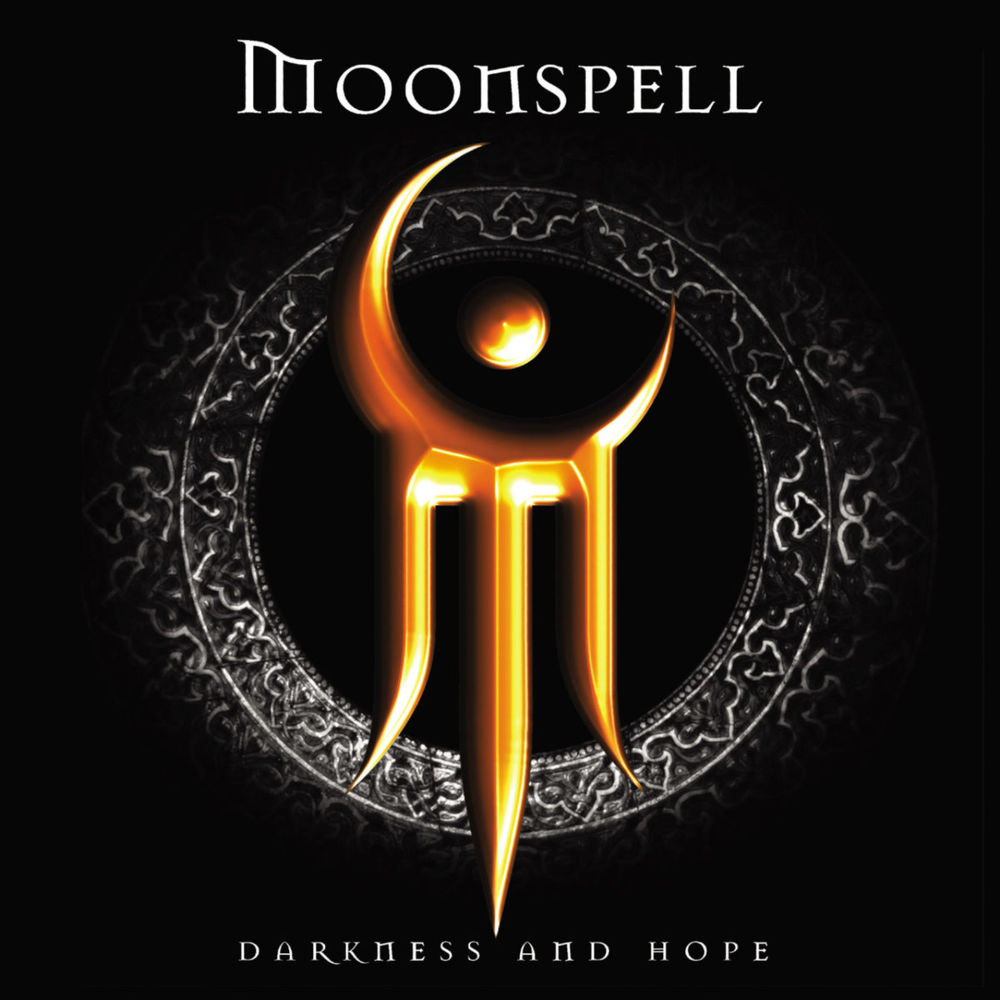
The central conflict seems to revolve around the narrator's forced role as a bearer of this other person's internal turmoil. The repeated refrain, "I carry the news of darkness and hope," positions the narrator as an unwilling messenger, burdened by the other's emotional landscape. This burden is amplified by the post-chorus, where the "act of love" is intertwined with "poison," and the narrator's response is to flee each night, suggesting a pattern of escape from a destructive intimacy.
The most striking aspect of the craft is the persistent, almost absurd repetition of "It only makes me laugh." This response to profound negativity – the "underworld" in someone's heart – is jarring. It suggests a coping mechanism, a detachment, or perhaps a recognition of the inherent absurdity in the other person's self-inflicted misery. The bridge's pronouncement, "There is, there is no return," solidifies the sense of finality and the inescapable nature of this shared, albeit one-sided, burden.
Ultimately, the effectiveness of these lyrics lies in their refusal to offer easy answers or conventional emotional arcs. The narrator's laughter in the face of darkness, their role as a reluctant messenger, and the chilling finality of "no return" combine to create a portrait of a relationship that is both deeply unsettling and strangely compelling. It’s the unexpected emotional responses and the stark, almost clinical descriptions that make the situation resonate, highlighting a unique form of emotional endurance or perhaps resignation.
 View Artist