Song Meaning
The lyrics open with a simple, almost mundane observation: "Sparrows wake me in the morning in Gotham." This establishes a familiar urban rhythm, a constant soundscape for the narrator's daily life. But a quick pivot introduces an escape, a different soundscape, hinting at a quiet appreciation for nature's varied melodies.
The central emotional tension isn't dramatic, but rather a subtle contrast between two distinct environments. "Gotham" implies a bustling city, where sparrows are ubiquitous, almost background noise. "Tioga," however, represents a different kind of awakening, marked by "other birds" whose singing is explicitly described as "so fair." This suggests a quiet yearning for, or deep appreciation of, a more pristine natural experience away from the urban grind.
The power here lies in the evocative place names and the specific bird choices. "Gotham" immediately conjures a specific urban energy, often associated with grit and constant motion. Sparrows, common city dwellers, fit this picture. The unnamed "other birds" in "Tioga" gain significance precisely because they are not sparrows, and their song is singled out for its beauty. This contrast highlights a quiet preference for the sounds of a less domesticated natural world.
These lines are effective because they turn a simple daily occurrence – waking up – into a meditation on place and preference. The narrator isn't complaining about Gotham's sparrows, but the deliberate mention of "other birds" and their "fair singing" in Tioga reveals a subtle, almost wistful appreciation for moments of natural beauty found outside the everyday. It's a quiet acknowledgment of how different environments shape our sensory experience, and perhaps, our inner peace.
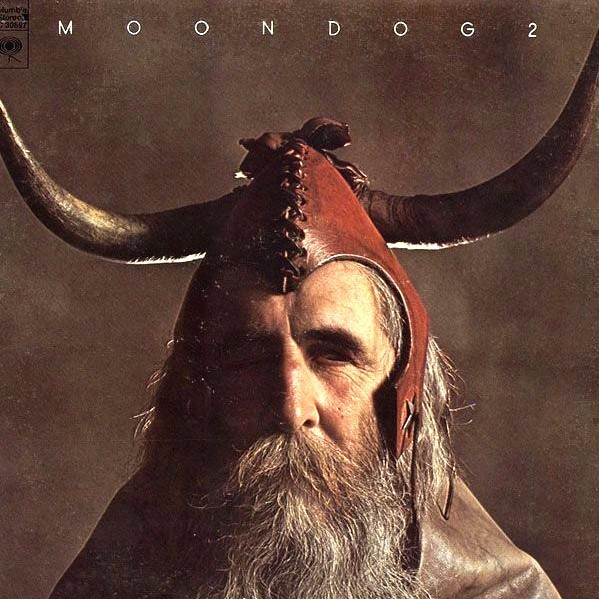
 View Artist