Song Meaning
The lyrics paint a picture of someone struggling with inertia on a beautiful morning, feeling a stark contrast between the bright day and their internal darkness. There's a sense of self-recrimination for perceived laziness and a heavy, unmoving body, despite the external world urging action. This internal conflict is highlighted by the phrase "날은 좋은데 나만 dark 해" (The day is good, but only I am dark), immediately setting a tone of personal dissatisfaction against a pleasant backdrop. The narrator acknowledges the need to seize opportunities, asking "지금이 물 들어올 때 노 저어야지" (Now is the time to row when the water comes in), but finds themselves stuck.
The core tension arises from a feeling of being overwhelmed by responsibilities and internal anxieties. The narrator admits, "내가 나에게 눈치를 주네" (I give myself hints/side-eyes), suggesting an internal pressure cooker where self-criticism is constant. This leads to a state of "마음이 복잡해 지금" (My mind is complicated right now), a feeling amplified by the chorus's repeated questioning: "배부른 고민일지도" (It might be a rich person's worry) and "혼자 키우는 걱정일지도" (It might be a worry I raise alone). These lines suggest a potential disconnect between the narrator's perceived problems and their actual severity, hinting at a self-inflicted emotional burden.
The lyrics cleverly use repetition and self-reflection to explore this state of paralysis. The recurring phrase "꿈꿔왔던 나일지도" (It might be the me I dreamed of) in the chorus is particularly striking. It introduces an ironic twist: could this state of dissatisfaction, this feeling of being stuck, actually be the reality the narrator once aspired to, perhaps in a naive or misunderstood way? This ambiguity is further explored in the bridge, where the narrator expresses a desire to "여유를 느끼고 싶어" (want to feel at ease) and "현재를 즐기고" (enjoy the present), indicating a longing for a simpler state of being that contrasts with the current complex emotional landscape.
Ultimately, the effectiveness of these lyrics lies in their raw portrayal of internal struggle and the subtle questioning of one's own reality. The narrator's self-awareness, coupled with their inability to break free from a cycle of worry and inertia, creates a relatable, albeit somber, portrait. The repeated contemplation of whether these worries are "배부른 고민" (rich person's worries) or "혼자 키우는 걱정" (worries raised alone) grounds the emotional experience in a specific, introspective space, making the listener ponder the nature of their own internal conflicts and external pressures.
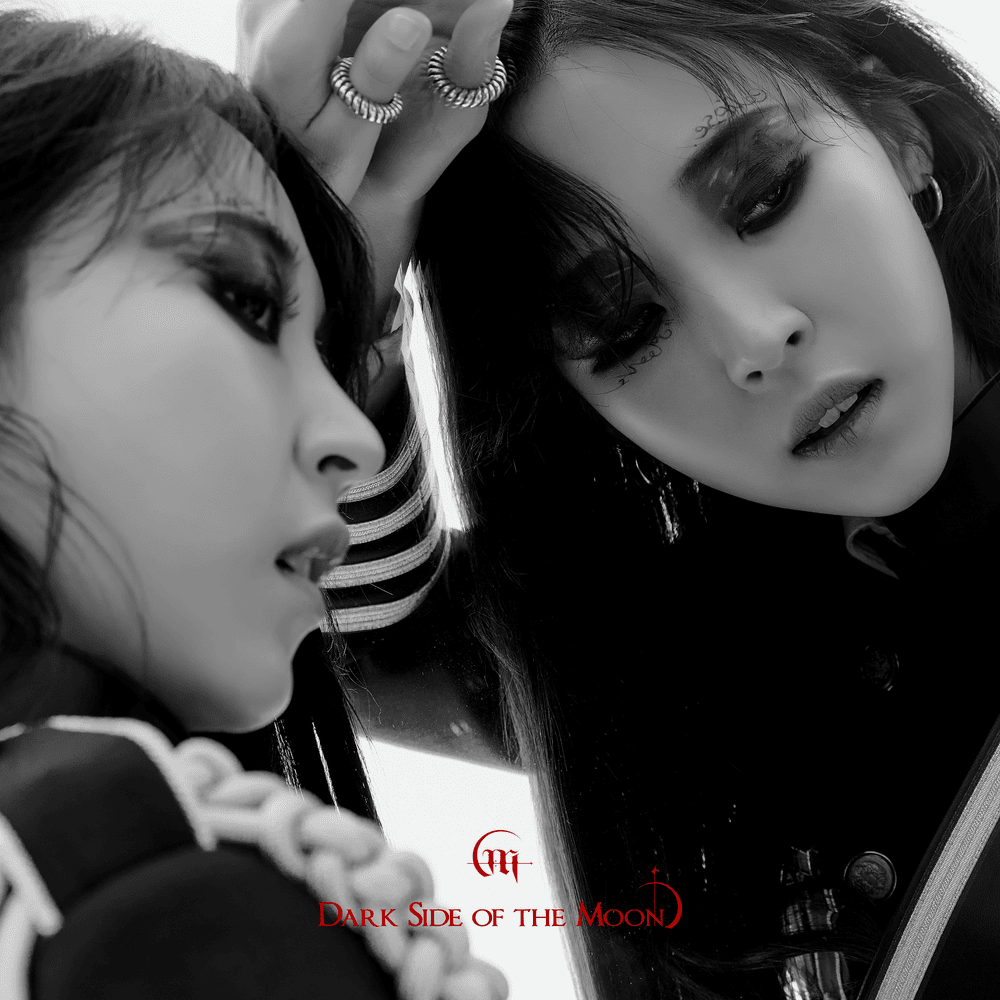
 View Artist