Song Meaning
The lyrics paint a tender picture of a daughter reassuring her mother as she embarks on her own life. The opening lines establish a foundation of past support: "Vzdy pri mne si stala" (You always stood by me) when the narrator was young. This memory fuels the mother's current anxiety, as she fears "Co da mi svet" (What the world will give me) for her child. The narrator, however, is growing up, actively seeking happiness, and promises a return, asserting, "Ved som uz skoro dama" (For I am almost a lady).
The central tension lies in the daughter's need for independence versus the mother's protective fear. The daughter acknowledges the mother's worry, "No tak sa neboj mama" (So don't be afraid, Mom), even as she recognizes her mother will be left alone. This is a bittersweet moment, a necessary separation for growth. The refrain powerfully captures this duality, describing the mother's hand as a "Tvoja dlan to je kridlo" (Your palm is a wing), imbued with love and the scent of soap – a comforting, domestic image that paradoxically represents freedom and departure. Thousands of paths beckon into the unknown, and the daughter feels compelled to follow her own footsteps.
The lyrics skillfully use the metaphor of the mother's hand as a wing to convey both nurturing and the impetus for flight. The daughter recognizes the beauty of a mother's unwavering support, especially when others disappoint, stating, "Je krasne mat mamu / Kym ostatni sklamu" (It's beautiful to have a mom / While others disappoint). This deepens the emotional weight of her departure; she values her mother's love precisely because it's a constant she can return to. The repeated phrase, "Tak sa neboj mama" (So don't be afraid, Mom), acts as a mantra, a plea for trust that the bond remains even with physical distance. The narrator's journey is one of self-discovery, acknowledging the falls and losses inherent in life, but always with the anchor of her mother's love and the promise of return.
Ultimately, the effectiveness of these lyrics stems from their honest portrayal of a universal transition. The writing grounds the grand idea of leaving home in specific, relatable images: a mother's worried gaze, the scent of soap, and the irresistible pull of unknown paths. The narrator's voice is one of maturity and gratitude, seeking to alleviate her mother's fears while embracing her own destiny. It’s this delicate balance between acknowledging dependence and asserting independence, all wrapped in a promise of enduring love, that makes the song resonate so deeply.
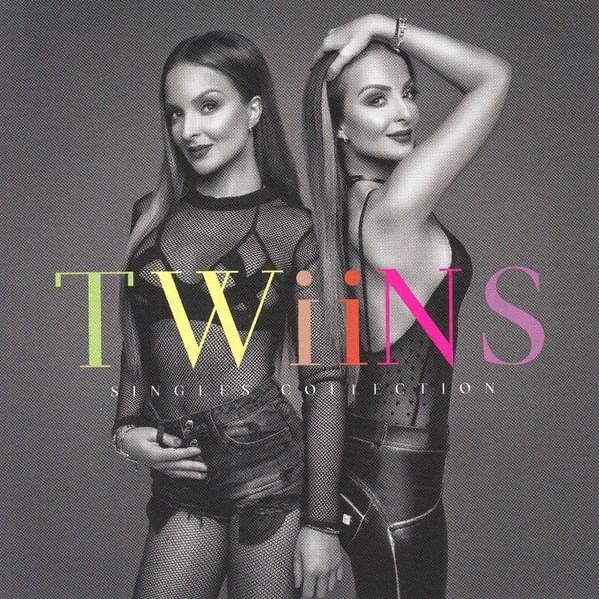
 View Artist