Song Meaning
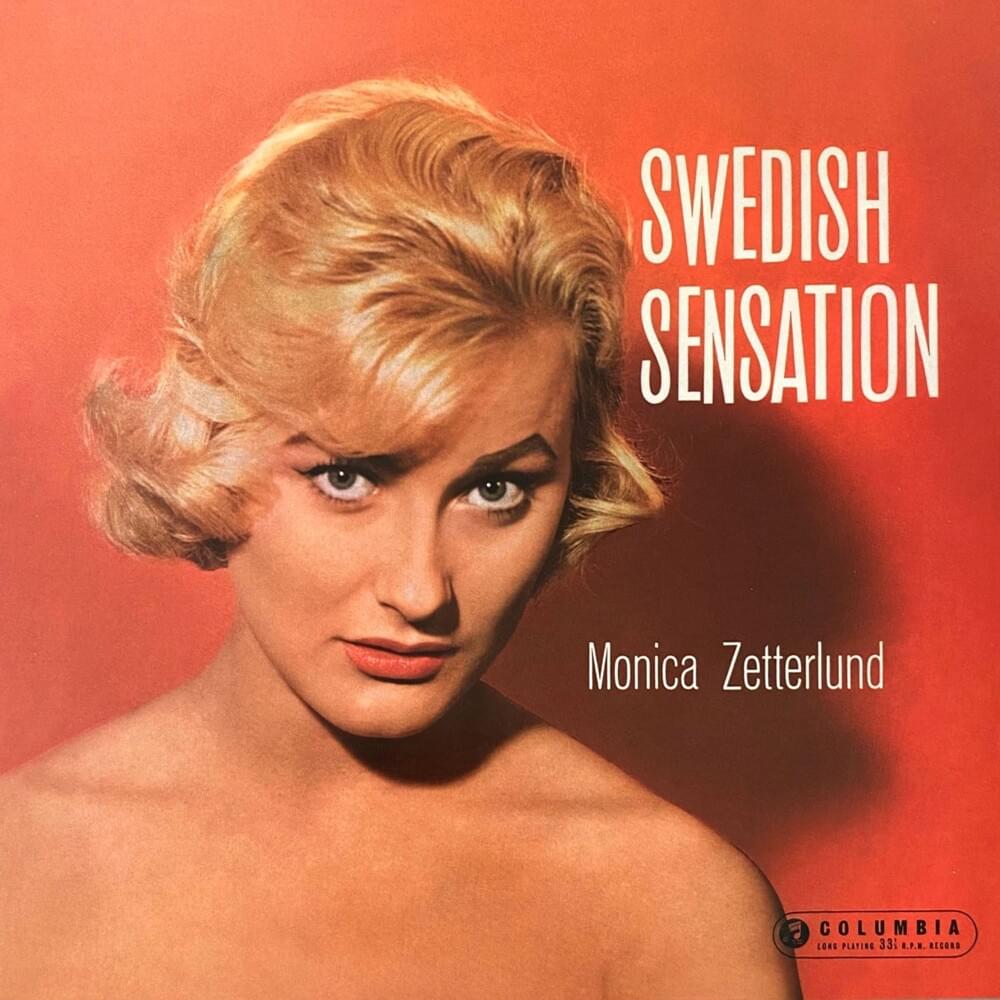
Monica Zetterlund's rendition of "There's No You" isn't just a melancholy ballad; it's a study in absence, a poignant exploration of how a loved one's presence fundamentally shapes our perception of the world. The song meaning hinges on the gaping void left by separation, specifically during the harsh transition of autumn. The opening lines immediately establish this theme, with the "Autumn breeze" acting as a melancholic messenger, whispering the painful truth: "there's no you." It’s the psychological phenomenon of object permanence inverted – the world, once vibrant and full, now feels diminished and incomplete because a crucial object (the beloved) is missing. The sadness isn't just about being alone; it's about the environment itself reflecting and amplifying that loneliness.
The lyrics masterfully use seasonal imagery to mirror the narrator's emotional state. The "lonely Autumn trees" and the dying summer symbolize the fading joy and warmth that the relationship once provided. This isn't mere sadness; it's a deep sense of loss that permeates everything. The specific places they shared – "the park that we walked in, the garden we talked in" – now serve as painful reminders of what is missing. The stormy clouds and falling leaves covering their "favorite nook" create a scene of desolation. It's a powerful illustration of how shared spaces become imbued with meaning through shared experiences, and how those spaces can become haunted by absence when those experiences cease. The song emphasizes how deeply intertwined our memories and emotions can become with physical locations, amplifying the pain of separation.
However, "There's No You" offers a glimmer of hope amidst the gloom. The promise of reunion in spring suggests a belief in the cyclical nature of love and life. The narrator anticipates a future where they will "kiss and recapture that Summertime rapture." This hope is not just a naive wish; it's a crucial coping mechanism, a way to endure the present pain by focusing on a brighter future. The final lines, "Nevermore will I say, there's no you," represent a powerful affirmation of the relationship's enduring impact. Even in absence, the memory and the anticipation of reunion sustain the narrator, proving that love, once experienced, leaves an indelible mark on the heart and mind. The song, therefore, becomes an anthem of resilience, a testament to the human capacity to find hope even in the face of profound loss.
 View Artist