Song Meaning
The lyrics of "Ish Kash" paint a stark picture of profound emotional emptiness. The narrator repeatedly declares, "No more fear, no more nothing," a phrase that feels less like liberation and more like a chilling void. This sense of internal desolation is immediately underscored by the self-identification: "I am a straw man, I am a crooked tree." These images suggest a figure lacking substance, easily manipulated, or perhaps misshapen and struggling to stand.
This internal void contrasts sharply with the outward appearance of life. The lines "Dead inside, alive outside" encapsulate the central tension, describing a person who performs daily rituals—eating, reading, talking, sleeping—while utterly disconnected from genuine feeling. Even the domestic setting, with its "Two rooms, dripping leaking," suggests a quiet decay, a subtle mirroring of the narrator's internal state where time passes slowly, "like eyelid drops."
The lyrics delve deeper into this cynical resignation with observations about life and family. The narrator speaks of "Laughing inside at lost lives," revealing a bitter irony beneath the surface calm. This detachment extends to their view of children, who "didn't grow / They just got taller, and found work." This dismissive take on maturation strips away any joy or personal development, reducing growth to mere physical change and societal function, further emphasizing the narrator's profound disillusionment.
Ultimately, the power of these lyrics lies in their unflinching portrayal of existential numbness. The relentless repetition of "No more fear, no more nothing" isn't a declaration of peace, but a terrifying mantra of emotional shutdown. Through stark imagery and cynical observations, the song articulates a specific kind of quiet despair, where the absence of fear has led not to freedom, but to an unshakeable, hollow resignation.
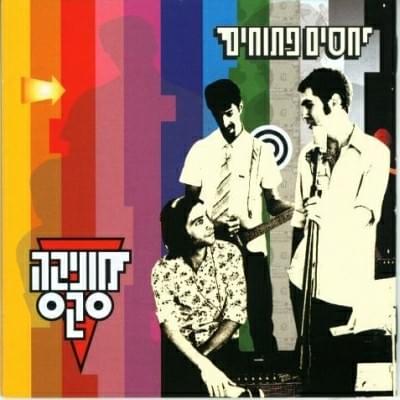
 View Artist