Song Meaning
The track opens with a stark, repeated assertion: "Vivo en libertad" (I live in freedom). This isn't just a statement; it's a declaration, a defiant claim to autonomy. The accompanying "Respétame" (Respect me) acts as a direct plea, underscoring that this freedom is not to be taken lightly or infringed upon. It sets a tone of fierce self-possession from the outset.
The core tension emerges in the chorus, where the narrator links her freedom directly to her identity as a woman: "Mírame, sé perdonar / Pero soy mujer, respétame" (Look at me, I know how to forgive / But I am a woman, respect me). This juxtaposition highlights a perceived societal tendency to disrespect women, even when they exhibit grace or forgiveness. The repeated emphasis on living in freedom becomes a powerful counterpoint to this potential lack of respect, framing liberation as a fundamental right tied to her womanhood.
The lyrical structure itself reinforces the central message. The relentless repetition of "Vivo en libertad" functions like a mantra, a constant reaffirmation of self-worth and independence. It builds a sonic and thematic wall against any external attempts to diminish or control the narrator. The phrase "sé perdonar" (I know how to forgive) is particularly striking; it suggests a capacity for grace that is being offered, but it is immediately qualified by the demand for respect, implying that forgiveness is not a sign of weakness but a conscious choice that should be reciprocated with dignity.
Ultimately, the effectiveness of these lyrics lies in their directness and unwavering focus. The narrator isn't asking for permission to be free or respected; she is stating it as fact and demanding acknowledgment. The simple, powerful repetition, coupled with the clear assertion of her identity, creates an anthem of self-respect and autonomy that resonates deeply.
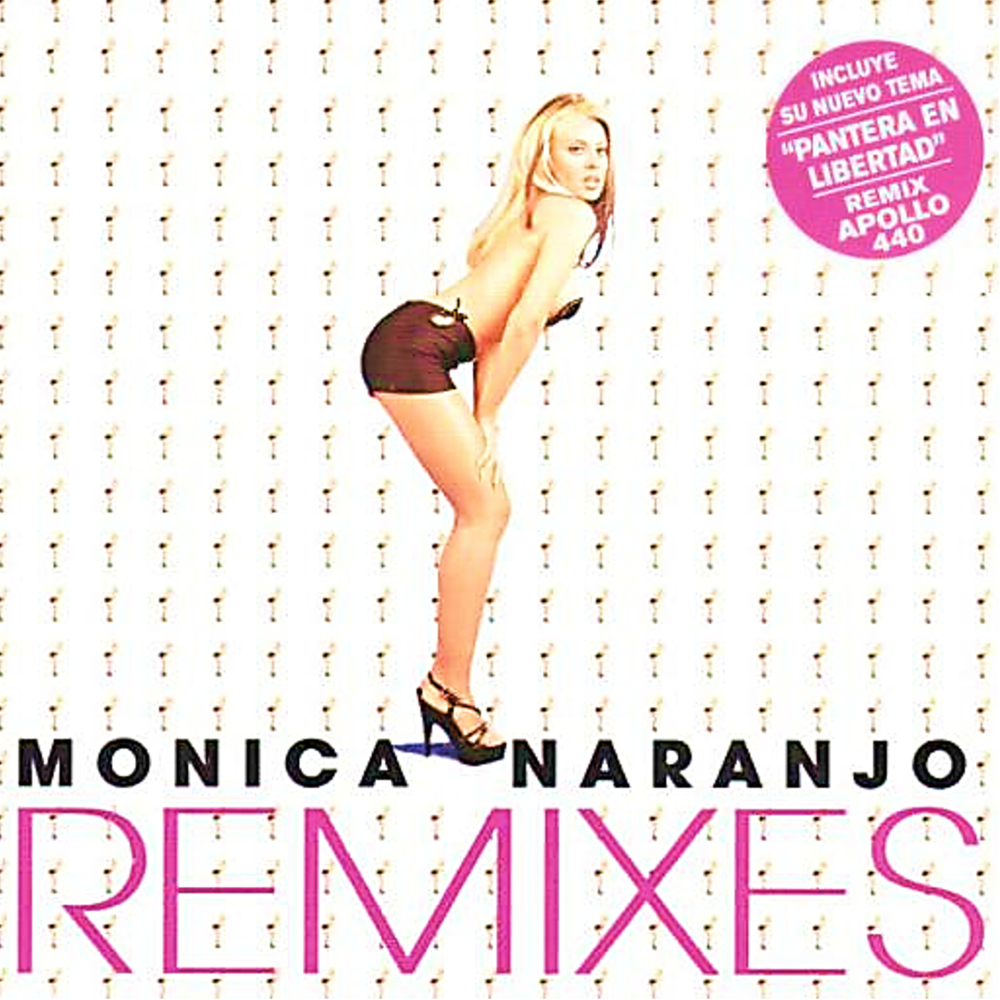
 View Artist