Song Meaning
The lyrics paint a stark picture of isolation and deep sadness, with the narrator "crumpled in a corner of some sofa," consumed by "the pain of humidity" and the "darkness" that "gives life to sadness." This initial scene is one of profound stillness and emotional stagnation, suggesting a period of intense suffering where even basic existence feels heavy and solitary. The phrase "Wounds of a thorn, today" hints at a lingering, sharp pain that persists even as the narrator begins to articulate a shift.
The central tension arises from the narrator's newfound freedom, which feels paradoxical given the preceding despair. The repeated question, "What good is it to me now?" underscores this conflict. After a lifetime of "running away," the narrator is now "free to catch / Everything I left waiting." This freedom isn't presented as pure liberation but as an opportunity to confront what was avoided, a chance to reclaim lost time and experiences, even if the initial state was one of deep pain.
The most striking craft element is the juxtaposition of past suffering with future possibility, framed by the chorus. The narrator acknowledges that "the smiles of love are gone," yet asserts, "no one has ever died from crying." This resilience, born from enduring pain, is key. The narrator reassures someone, "Don't you ever suffer / For me, for my freedom," indicating that this personal liberation, though born from hardship, is a necessary step towards rebuilding. The imagery shifts from being trapped "in a corner" to being "free to catch / All the wind with my breath," a powerful metaphor for reclaiming agency and vitality.
Ultimately, these lyrics resonate because they articulate the difficult process of emerging from profound sadness. The effectiveness lies in grounding the abstract concept of freedom in concrete, albeit painful, experiences. The narrator's determination to "live again without haste" and the final, decisive "Don't come back anymore / What does it matter now" signal a hard-won peace. This isn't about forgetting the pain, but about integrating it into a narrative of survival and self-reclamation, making the present freedom feel earned and profound.
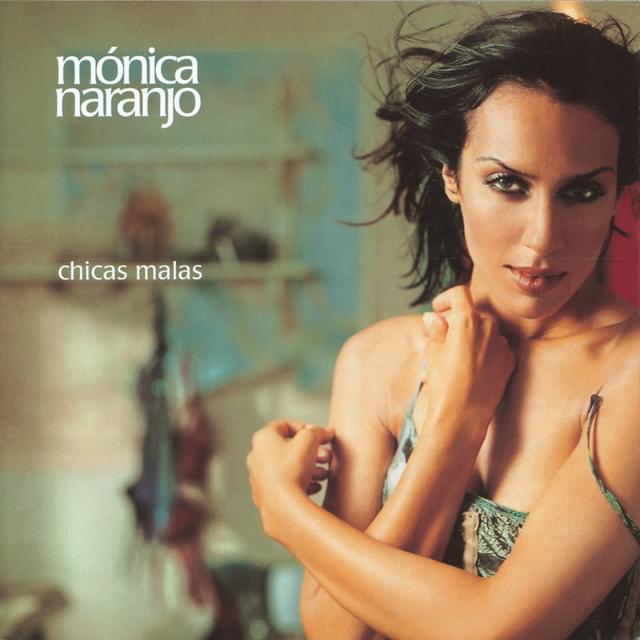
 View Artist