Song Meaning
The narrator is grappling with the painful realization of a partner's infidelity, leading to a profound emotional shift. Initially, there's a desire to salvage the situation, a hope that "we'll make it anyhow." This is quickly overshadowed by the undeniable evidence of betrayal, creating a deep internal conflict between wanting to hold on and the necessity of letting go. The lyrics capture that specific moment of dawning awareness, where the pain is palpable and the previous understanding of the relationship is shattered.
The core tension lies in the contrast between the desire for "positive vibrations" and the harsh reality of being "cheating." The narrator recognizes that the current state of affairs is toxic, stating, "if it ain't positive vibrations, baby, than it'll have to go." This isn't just about a single act; it's about the overall atmosphere and the damage it inflicts, suggesting that even the "terrible silence" is preferable to the deceitful conversation.
The most striking craft element is the narrator's shift in perspective and intent. After acknowledging the hurt, there's a chilling declaration: "I've been mistreated, I can mistreat too." This isn't a plea for understanding but a statement of intent, a mirroring of the betrayal experienced. The friends' disbelief ("couldn't belive that shit about you") highlights the shock and the violation of trust, making the narrator's eventual retaliation feel like a grim, inevitable consequence.
Ultimately, these lyrics resonate because they articulate the complex emotional fallout of betrayal with stark honesty. The progression from hopeful denial to the cold acceptance of needing to "let go," coupled with the threat of reciprocation, paints a raw picture of a relationship irrevocably broken. The writing effectively conveys the devastating impact of infidelity, not just on the victim, but on their capacity for trust and their willingness to engage with the relationship on its own terms.
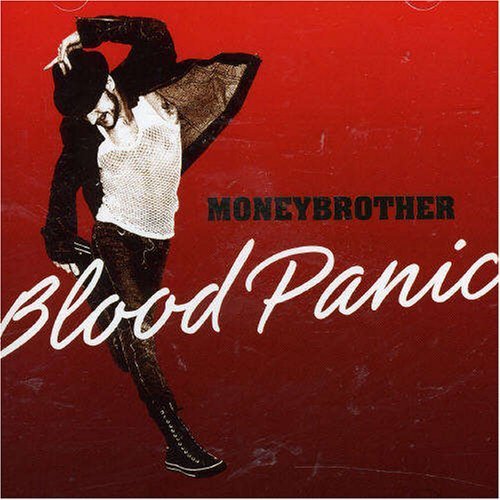
 View Artist