Song Meaning
The scene opens with an intimate, tender moment: a head laid on a knee in the early morning. The narrator is clearly holding onto the vulnerability of the night, asking if their partner will still be there when the "darkness has gone." This immediately establishes a fragile hope, a desire for the connection felt in the quiet hours to persist into the harsh light of day.
The central tension revolves around the authenticity of the expressed affection. The narrator questions whether the "wine" – a metaphor for intoxication or perhaps just the heightened emotions of the night – "intensify[ed] your feelings," making everything "seem right." This doubt casts a shadow over the intimacy, suggesting a fear that the connection is conditional, dependent on the artificial glow of the night rather than genuine, lasting sentiment.
The most striking craft element is the stark contrast between night and day, darkness and light. The lyrics explicitly state, "And now the day is not at all as magic as the night," and the repeated refrain, "Feelings that grow stronger in the dark / Will be lost in the light." This highlights the ephemeral nature of emotions experienced under specific, perhaps altered, circumstances, and the narrator's anxiety that these powerful feelings are inherently temporary.
This writing is effective because it taps into a universal fear of impermanence in relationships. The specific imagery of the morning after, the questioning gaze, and the doubt about the role of external factors like wine create a palpable sense of unease. The narrator’s plea, "Do you love me," lands with a quiet desperation, making the listener feel the weight of their uncertainty about whether the magic of the night can survive the inevitable dawn.
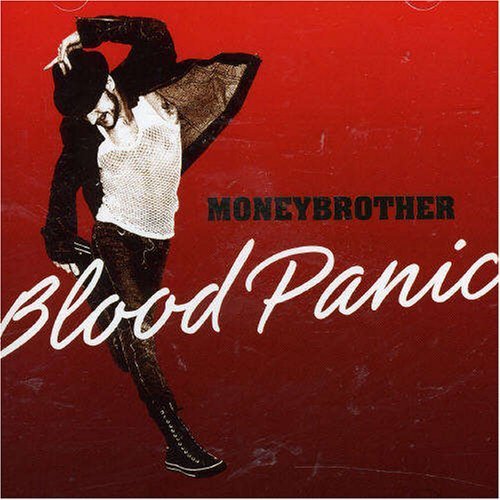
 View Artist