Song Meaning
The narrator's world has just imploded, and he's desperately trying to piece together how. He's confronting a woman, recalling a promise of loyalty that now feels like a lie. The immediate aftermath is confusion, a sharp need for answers, and the dawning realization that a foundational belief has been shattered. It's the raw, disoriented feeling right after betrayal hits.
The central tension is a desperate plea for clarity versus the cold, hard truth that's emerging. He asks if the love was real, if it was a genuine connection or just a means to an end for her. The painful question, "Or did you only want / To quench your thirst?" cuts to the core of his doubt. He feels he invested everything, only to find out she was already moving on, leaving him with the bitter realization, "Baby can't you see / I got there first."
The shift in tone from confused questioning to a stark, almost defiant declaration is striking. The initial "Woman. won't you tell me what you know" gives way to the sharp "Now you've made crystal clear / That you don't give a damn." This isn't just hurt; it's the hardening that comes with understanding. The narrator moves from seeking an explanation to accepting the harsh reality and deciding to exit the situation, signaling a painful but necessary self-preservation.
This writing works because it captures that disorienting moment of betrayal with stark, direct language. The simple, almost childlike questions in the chorus hit hard because they reveal a profound vulnerability. The final lines, "Now I think it's time for me to go," aren't just an exit; they're the sound of someone reclaiming their agency after being blindsided, a quiet but firm assertion of self-worth in the face of deceit.
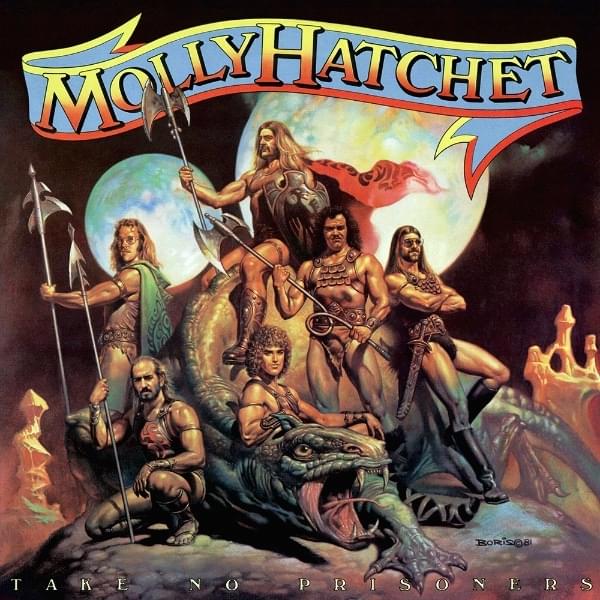
 View Artist