Song Meaning
The lyrics immediately plunge into a world where unseen forces actively reshape truth and sow division. They "remake reality" and "rewrite chapters," crafting a shadow of manufactured narratives. The repeated cry of "Коммерсанты" (merchants or businessmen) points to these figures as transactional, self-serving actors. This sets up a cynical observation of power dynamics.
A central tension emerges from the stark contrast between these powerful manipulators and the seemingly passive public. While these figures "throw dirt into foreign countries" and "promote terrible propaganda," the narrator observes, "we eat wonderfully." This line is chilling, suggesting a populace either oblivious to, or perhaps even benefiting from, the chaos engineered by the "Kommersanty." It hints at a disturbing complicity.
The craft here lies in the blunt, almost journalistic reporting of actions, devoid of explicit judgment, yet loaded with implicit critique. The verbs describing the "Kommersanty" are active and impactful: they "remake," "rewrite," "throw," "provoke." In contrast, the collective "we" is defined by a single, almost gluttonous verb: "eat wonderfully." This stark linguistic divide underscores the power imbalance and the public's unthinking consumption of the manufactured reality. The ambiguity in lines like "speculate not, for" further shrouds the "Kommersanty" in a veil of calculated, self-serving mystery.
These lyrics are effective because they don't preach; instead, they present a bleak, almost observational account of manipulation and complicity. The relentless repetition of "Коммерсанты" hammers home the identity of the orchestrators. Meanwhile, the blunt admission of "we eat wonderfully" forces the listener to confront their own potential role in perpetuating such a system. It's a powerful, unsettling commentary on how easily truth can be distorted and how readily a society might consume it.
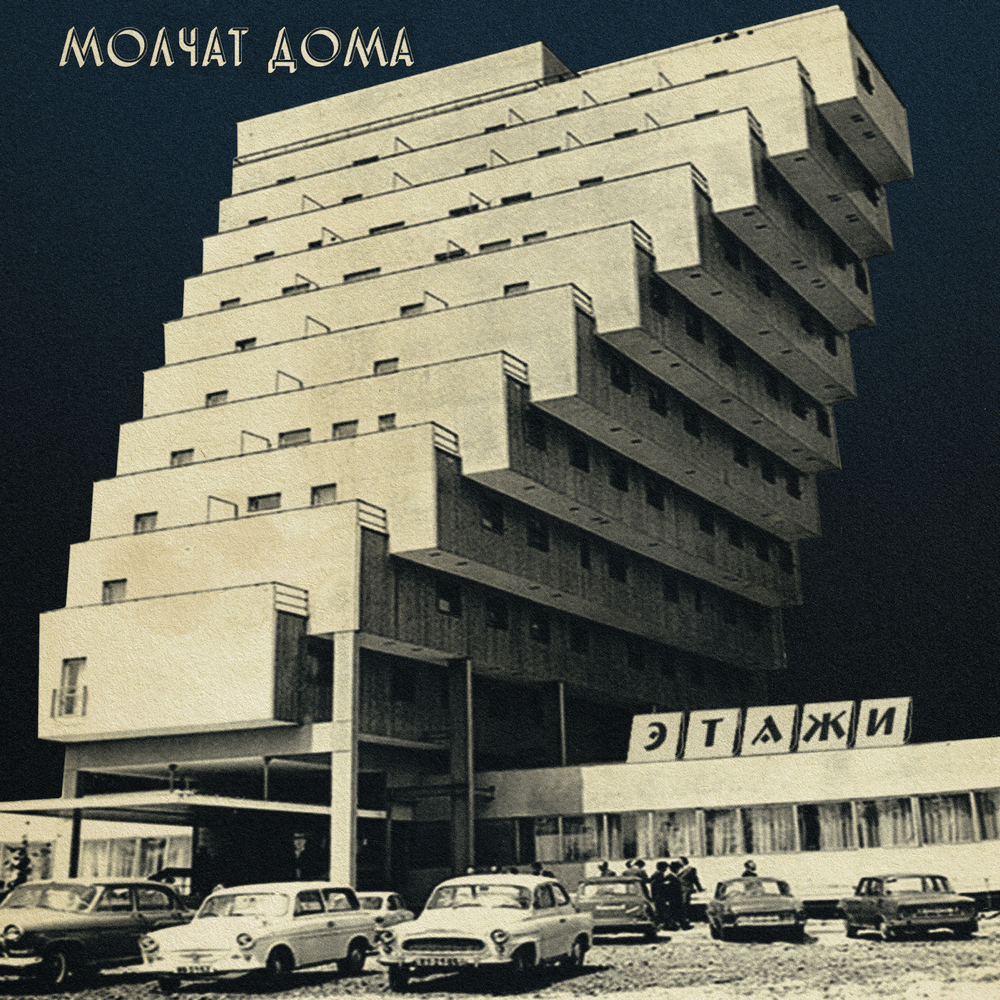
 View Artist