Song Meaning
The lyrics paint a stark picture of overwhelming anxiety and exhaustion. The narrator is trapped in a cycle of sleepless nights, with the rain outside mirroring the relentless drumming of their worries. There's a palpable sense of being unable to cope, a feeling that the burdens are insurmountable, like mountains that refuse to budge. The repeated phrase "Vuoret Huolet" (Mountains Worries) acts as a constant, heavy refrain, emphasizing the sheer scale of their internal struggle.
The central tension lies in the stark contrast between the narrator's internal turmoil and their outward presentation. They describe trying to "hillitsen hermoni, hillitsen kielen" (control my nerves, control my tongue) and hiding their grief "hymyilyn lomaan" (within a smile). This performance of normalcy, of everything being "päällisin puolin kaikki hyvin" (on the surface everything is fine), only serves to deepen the sense of isolation and the crushing weight of unspoken problems.
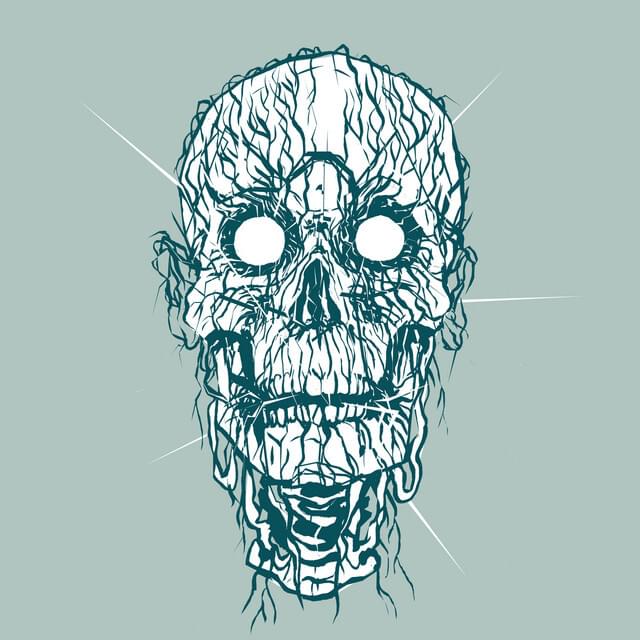
The craft here is in the stark, almost brutal simplicity. The repetition of "Vuoret Huolet" is not just a thematic statement but a sonic representation of intrusive thoughts. The image of the "otsassa kupla alati kasvaa" (a bubble on the forehead constantly growing) is a potent visual for mounting pressure. The narrator's admission of "Eilen en jaksanut, tänään en jaksa / Huomenna en todellakaan jaksa" (Yesterday I couldn't cope, today I can't cope / Tomorrow I definitely won't cope) is a devastatingly honest portrayal of profound fatigue.
This lyrical approach is effective because it bypasses elaborate metaphor for raw, direct expression. The listener is invited not into a complex narrative, but into the immediate, suffocating experience of being overwhelmed. The lack of resolution, the persistent rain, and the inescapable "Vuoret Huolet" create a powerful, resonant feeling of being stuck, a shared human experience of facing burdens that feel too large to bear.
 View Artist