Song Meaning
The lyrics paint a stark picture of a relationship where one person gives everything, only to have it taken and displayed by the other. The narrator offers "pearls" as tokens of love, but these end up adorning the other's "skull," a grim image suggesting the gifts were not received with affection but perhaps as trophies or symbols of conquest. The act of giving becomes a prelude to loss, with the narrator lamenting, "You used everything of me."
The central tension lies in the narrator's repeated, almost masochistic, willingness to give despite the clear harm. "I gave another pearl / Because I learned nothing." This self-destructive pattern is amplified by the specific, bizarre detail of a "two-hundred-and-two-piece puzzle." The narrator's possessions, their "hidden things" and "closet," are emptied, and the puzzle, once constructed, is put on display, turning personal effort into a public spectacle for the other person.
The most striking craft element is the transformation of personal sacrifice into a macabre art installation. The narrator's "ranka" (which can mean skeleton or backbone) is personified, its "tired stem" reaching out, accompanied by the "clatter of bones" that tells a story like a "clock." This imagery suggests a profound depletion, where the narrator's very structure is exposed and decaying, its sounds marking the passage of time and the finality of the loss. The repetition of "You took from my hiding place, you took from my closet" hammers home the thoroughness of this violation.
These lyrics hit hard because they articulate a specific kind of betrayal: the stripping away of one's essence and personal creations, only for them to be repurposed and exhibited by the betrayer. The narrator is left with a "skeleton" that tells a story of exhaustion and loss, a chilling testament to a relationship that consumed and discarded them. The final, repeated "My ranka" emphasizes a bleak ownership of this depleted state.
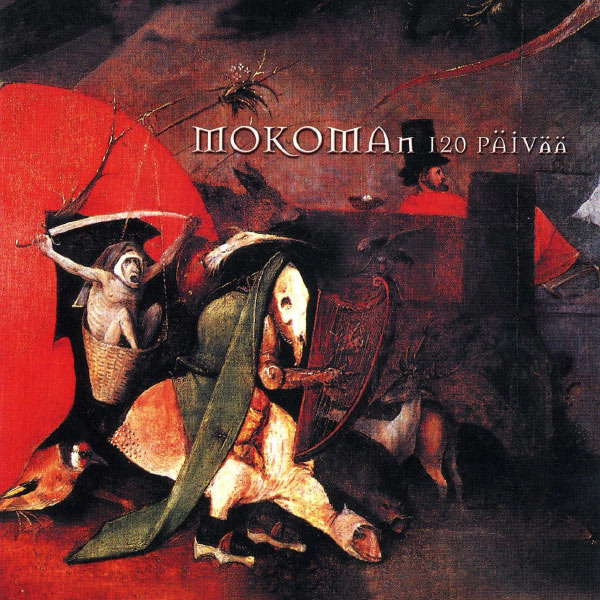
 View Artist