Song Meaning
The narrator finds a profound connection when his singing stops his lover in her tracks, making time itself seem to halt. He's captivated by her physical presence late at night, seeing her heart laid bare. There's a clear desire for her to break free from a past relationship, to achieve independence and fulfillment, ideally with him, culminating in a night of shared intimacy until dawn.
The central tension arises from the narrator's possessiveness and insecurity, contrasted with his aspirations for their shared future. He admits a dislike for others, specifically "other negros," highlighting a tribalistic or perhaps defensive stance. This is juxtaposed with his need for external "doses" to maintain a positive outlook and his relentless pursuit of financial success ("Charbonne pour plus d'euros"), suggesting a struggle to find inner peace and stability.
A striking element is the narrator's self-perception and his relationship with reality. He asserts "Ta raison j'n'ai jamais tord" (You're right, I'm never wrong), a statement of unshakeable conviction that feels almost defiant. This is followed by a stark image of facing mortality, "Un œil et fasse a la mort" (One eye facing death), and a disorienting sense of self, "J'me sens ivre seul dans son corps" (I feel drunk alone in her body). These lines create a complex portrait of someone grappling with internal conflict and a distorted sense of self, even amidst perceived connection.
These lyrics resonate because they capture a raw, unfiltered emotional state. The blend of intense desire, possessiveness, ambition, and a touch of existential dread creates a compelling, albeit turbulent, emotional landscape. The specific, sometimes jarring, imagery – from seeing a heart appear to feeling drunk in another's body – grounds the abstract feelings in concrete, memorable moments, making the narrator's internal world feel both intimate and unsettlingly real.
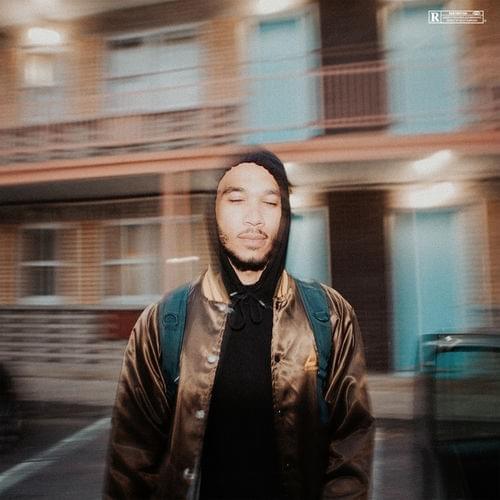
 View Artist