Song Meaning
The lyrics grapple with a profound sense of self-recognition and the potential for alienation from one's past self. The narrator poses a series of hypothetical questions, asking if the listener would even acknowledge their former self if they encountered them as a stranger. This sets up a disquieting idea: that personal transformation might render one unrecognizable, even to themselves. The narrator's assertion, "As good as I know you," implies a deep, almost possessive understanding of the other person, contrasting sharply with the uncertainty of self-knowledge.
The central tension revolves around trust and authenticity, particularly in the context of relationships and self-perception. The narrator questions whether the listener could be trusted to create something meaningful ("write me a song") if they possessed a different kind of conviction ("had your faith"), or if they would exploit someone's essence for personal gain ("give me the money / If I took what you are"). This probes the listener's integrity and their capacity for genuine connection when faced with self-doubt and a lack of faith in others.
The most striking craft element is the repeated, almost accusatory refrain, "Who do you love?" This question, simple on its surface, becomes loaded with implications about loyalty, desire, and the ultimate object of affection or allegiance. It's not just about romantic love, but about what or who truly holds sway over one's actions and identity. The narrator's own declaration, "I took what I was / And I took what I had," suggests a past self-sacrifice or perhaps a reclaiming of identity, further complicating the inquiry into the listener's own allegiances.
Ultimately, these lyrics resonate because they tap into the universal anxiety of losing oneself amidst change and the fear that our deepest connections might be conditional. The persistent questioning and the stark contrasts between knowing another and not knowing oneself create a potent emotional landscape. The power lies in the unresolved nature of the questions, leaving the listener to ponder their own transformations and the true nature of their affections.
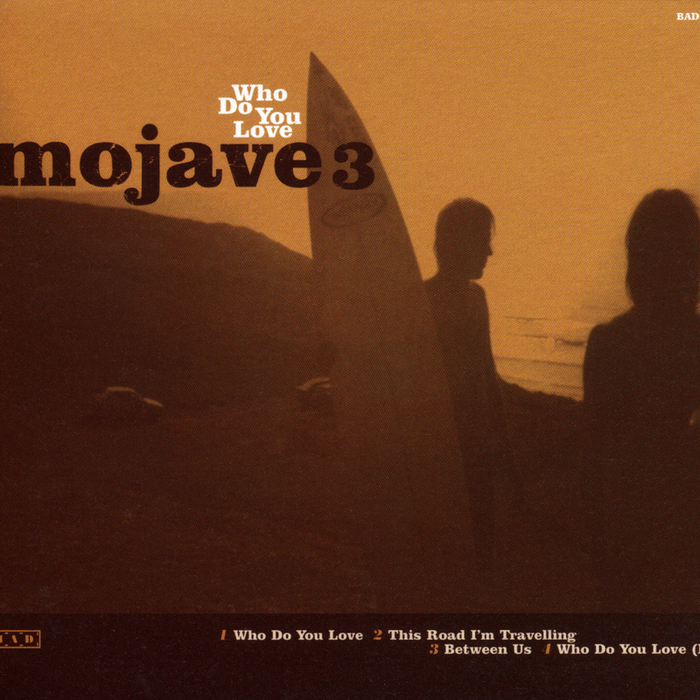
 View Artist