Song Meaning
The lyrics paint a picture of someone consumed by longing, wishing for an easier way to forget a love that still dictates their dreams. The opening lines, "يا ريت كان يبقى سهل أنساك" (I wish it was easy to forget you), immediately establish a tone of resigned yearning. This isn't a casual crush; it's a deep-seated ache that makes even distance a futile attempt at escape, as the narrator admits, "بعيد أنا بس عايش ليك" (I'm far away but I only live for you).
The central tension lies in the stark contrast between the desire for freedom from this obsession and the absolute devotion it inspires. The narrator wishes for the ability to forget, yet simultaneously declares their entire existence is defined by the object of their affection. This internal conflict fuels the repeated chorus, where the narrator proclaims themselves to be the other person's "حضنك" (embrace) and "حنانك" (tenderness), created solely for them. The ultimate expression of this devotion is the chilling promise, "يضيع عمري وهستناك" (my life will be lost and I will wait for you), even if their years run out.
The most striking element is the absolute, almost fatalistic, surrender to this love. The second verse shifts slightly, recalling a past where finding this person was the sole hope, and now that they have it, the narrator has found "أكتر ما أنا إتمنيت" (more than I wished for). This elevates the devotion from a burden to a destiny, reinforcing the chorus's message of complete and unending waiting. The repetition of the chorus acts as an incantation, solidifying this unwavering commitment.
These lyrics hit hard because they articulate a love so profound it borders on self-annihilation. The narrator isn't just waiting; they are offering their entire being, their past, present, and future, to someone who seems to hold all their meaning. The writing crafts an almost suffocating sense of devotion, where the wish to forget is drowned out by the overwhelming reality of living only for another.
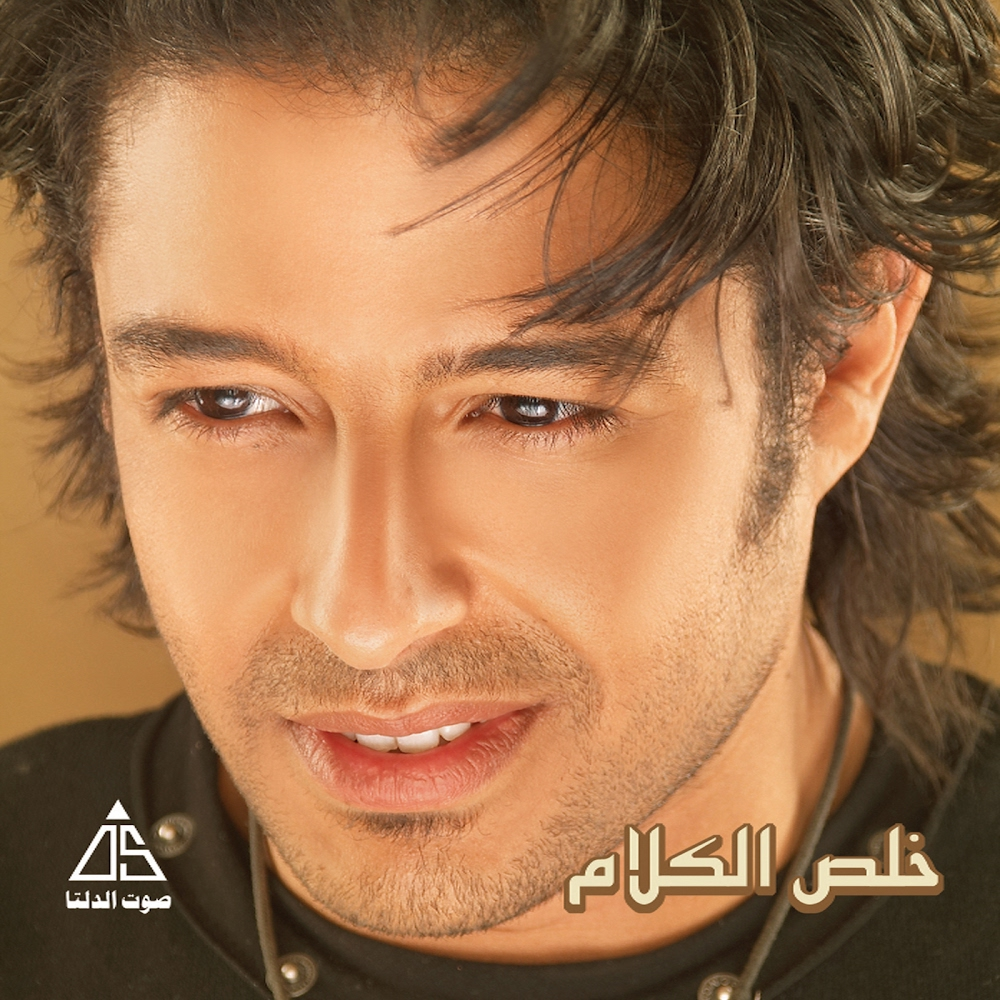
 View Artist