Song Meaning
This track opens with a sense of profound, unfulfilled longing, a love that has grown immense within the heart but remains unseen and unexperienced. The narrator laments a missed spring, a vibrant period of life that passed by without being truly lived. This sets a tone of regret and a feeling of being out of sync with life's opportunities, a theme that echoes throughout.
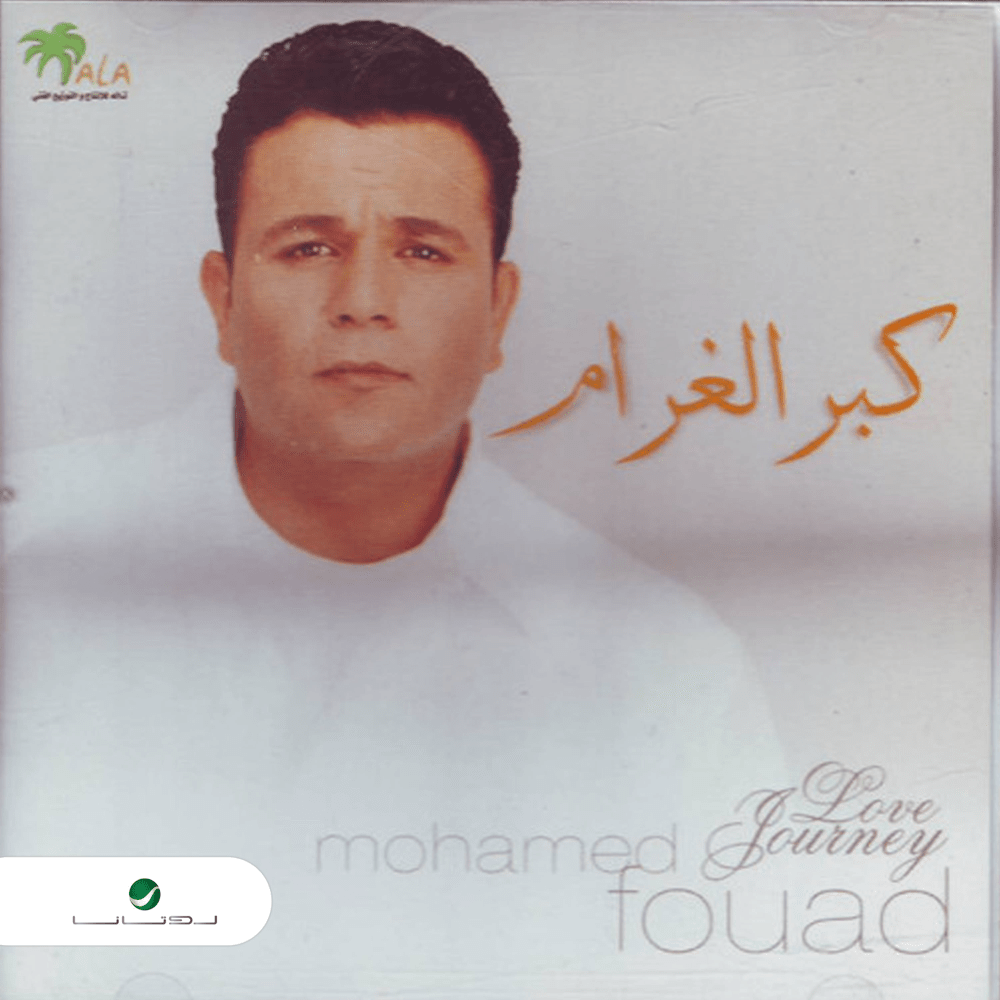
The core tension here is the conflict between the overwhelming growth of love and the narrator's inability to grasp it or express it. There's a powerful sense of being left behind, even by time itself, as the narrator admits, "I couldn't catch it." This feeling is amplified by the internal struggle described in the second verse: waking when sleep should have come, consumed by a "wound that flows through my soul." The repeated phrase "kabr el gharam" (love has grown) acts as a constant, almost obsessive reminder of this vast, yet inaccessible, emotion.
The most striking aspect of the writing is the stark contrast between the internal state and external reality. While love has "grown" to an immense size, the narrator is paralyzed, unable to speak or act. The lyrics paint a picture of someone trying to force happiness ("tried to laugh at the nights, I cried") but failing to overcome their inner pain. This internal wound is so profound that it prevents any outward expression or progress, leaving the narrator stuck with unspoken words and unlived love.
Ultimately, the effectiveness of these lyrics lies in their raw portrayal of a specific kind of heartbreak: the pain of a love that is felt so deeply but remains entirely out of reach, coupled with the frustration of being unable to articulate or act upon it. The repetition of "kabr el gharam" hammers home the scale of this internal burden, making the narrator's quiet suffering palpable and deeply resonant.
 View Artist