Song Meaning
The lyrics paint a picture of someone feeling trapped and desperate for escape, contrasting their own quiet, perhaps melancholic, routine with the perceived recklessness of others. There's a clear desire to "leave my world behind for the night," finding solace in movies as a temporary reprieve. This yearning for an exit is amplified by a sense of inadequacy, as the narrator notes, "Generation Home does coke while I get stoned in my backyard," highlighting a perceived difference in how others cope or indulge. The phrase "forceful release on my routine Rubicon" suggests a significant, perhaps overwhelming, disruption to their established life.
The central tension lies in the narrator's internal struggle between wanting to break free and a feeling of powerlessness, coupled with a plea for external help. The lines "They can't do this to me / I'm misunderstanding / I swear, I've improved" reveal a defensive reaction, as if facing an accusation or judgment they feel is unfair. This is followed by a desperate cry, "I shriek, I yell, I scream," underscoring the intensity of their distress and the feeling of being misunderstood or overwhelmed by circumstances.
A striking element is the narrator's focus on their own identity and legacy, particularly in the chorus. The repeated question, "Will they remember my name?" paired with the line "They won't remember my name when it's compared to yours," reveals a profound insecurity. This isn't just about wanting to escape a situation; it's about a fear of being forgotten, of their existence being insignificant, especially when measured against someone else's perceived importance. The desire to "want out" is thus layered with a deep-seated anxiety about their own mark on the world.
Ultimately, the effectiveness of these lyrics stems from their raw portrayal of internal conflict and vulnerability. The contrast between the mundane "backyard" and the dramatic "Rubicon," the desperate "shriek" against the quiet wish to escape, and the poignant fear of being forgotten all combine to create a powerful emotional resonance. It captures a specific kind of existential dread, where the desire for freedom is intertwined with a fear of insignificance and a plea for recognition, however faint.
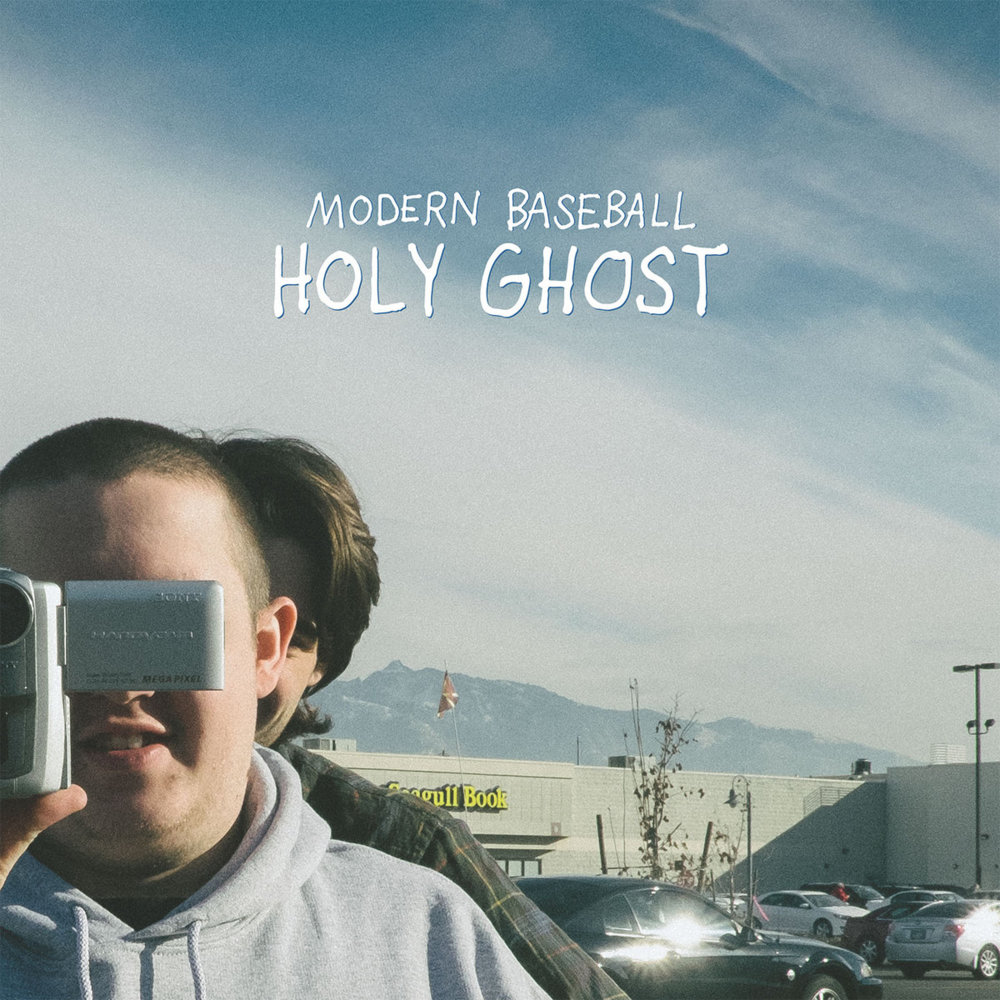
 View Artist