Song Meaning
This is a narrative of creation and loss, where the speaker conjures an idealized lover from imagination. The initial verses paint a picture of meticulous invention, from the sound of their voice to the color of their skin, even attributing emotions like jealousy. The act of creation is so profound that it leads to an unintentional falling in love, a consequence of vividly imagining the beloved.
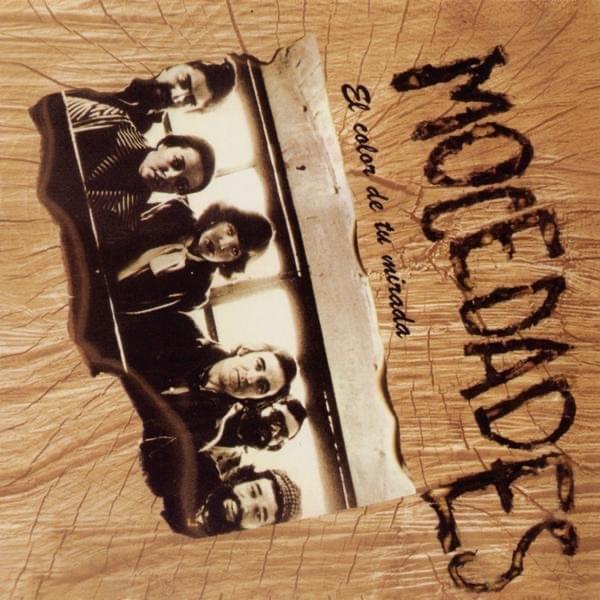
The core tension lies in the speaker's struggle to hold onto this imagined person as reality intrudes. The phrase "sin querer pinté el amor" (without wanting, I painted love) highlights the accidental nature of this deep affection. However, this carefully constructed world begins to unravel as "el tiempo se llevó / El color de tu mirada" (time took away / The color of your gaze), signifying the fading of the idealized image and the emotional connection.
The most striking aspect is the evolution of the creative process itself. Initially, the speaker could "invent" and "paint" this person with ease, even specifying details like "claridad" (clarity) in their eyes. Yet, as time passes and perhaps reality asserts itself, the speaker admits, "Ahora no te sé pintar" (Now I don't know how to paint you), indicating a loss of control and the inability to recapture the initial vision.
Ultimately, the lyrics resonate because they capture the bittersweet experience of idealization and the inevitable disappointment when that ideal doesn't align with reality. The final lines, "Y éste es tu retrato / Con algún año de más / Sólo queda ya firmar" (And this is your portrait / With a few more years / All that's left is to sign), suggest a resigned acceptance of a flawed, aged version of the imagined lover, a testament to the enduring, though altered, impact of this created love.
 View Artist