Song Meaning
River Of Pain" immediately plunges the listener into a desolate landscape, where "Dead in the streams" suggests a profound stagnation. The lyrics evoke a world scarred by unseen battles and unfulfilled promises. A pervasive sense of exhaustion hangs heavy, with "tears dried out" underscoring deep, lingering grief. This shared suffering is powerfully encapsulated in the repeated line, "It's you and me – the river of pain."
The central emotional tension emerges from a desperate plea for relief against a backdrop of collective trauma. Initially, the narrator asks, "Why don't you ease my pain," implying individual suffering and a sense that "High hopes will be in vain." However, the lyrics then pivot, shifting from a singular cry to a collective offering: "We'll try to ease your pain." This subtle yet profound change suggests a fragile attempt at mutual support.
This shift in perspective is the most striking craft element. The move from "my pain" to "your pain" and, crucially, from "will be in vain" to "won't be in vain," marks a pivotal moment. It suggests a collective resolve to confront the "river of pain" together, even if the hope is tentative. The imagery of "blood from us all" and a "world without law" reinforces this shared, post-conflict reality, where individual burdens merge into a common struggle.
What makes these lyrics so effective is their unflinching portrayal of persistent suffering and the fragile nature of hope. The visceral images of a "print on the wall" and "uncertain darkness" create a palpable sense of a world struggling to find its footing after profound loss. The final return to the initial plea, "Why don't you ease my pain," underscores that even with collective effort, the struggle against the "river of pain" remains an ongoing, deeply personal battle.
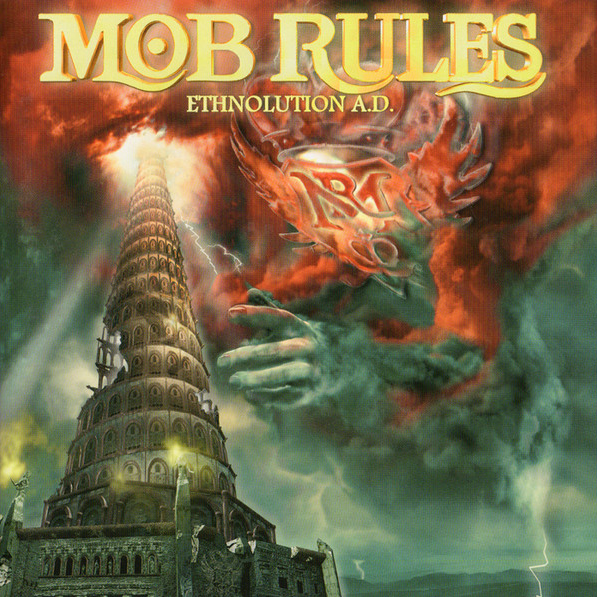
 View Artist