Song Meaning
The narrator feels patronized by someone who claims to be teaching them, but the narrator asserts their own power to discard external "pressure." This defiance is underscored by a sense of stagnation, a "same old song" that leads to a creeping dread about aging and the passage of time. The repeated question, "Will I get old," becomes a mantra of anxiety, highlighting a fear of simply existing without agency.
The central tension arises from a perceived betrayal of guidance. The narrator laments that they weren't taught how to "hypnotize my faith" or "liquify my fate," suggesting a desire for control over their destiny that was never properly instilled. Instead, the implied teacher seems to have offered superficial lessons or perhaps even deliberately obscured the path, forcing the narrator to "wipe your own dirt to blind me." This paints a picture of a flawed mentorship that has left the narrator feeling unprepared and resentful.
The lyrics employ a powerful contrast between the external "you" and the internal "I." While the "you" is characterized by attempts to teach and know, the "I" demonstrates a capacity for radical self-action, like "throwing all the pressure away" and "smashing your face up." This aggressive assertion of self-control, especially against the perceived manipulator, is striking. The repetition of "You think you teach me" and "You think you know me" hammers home the narrator's rejection of this imposed identity and their determination to forge their own path, however uncertain.
This song hits hard because it captures the frustration of feeling underestimated and the desperate scramble for self-determination when guidance proves hollow. The raw vulnerability in the "Will I get old" refrain, juxtaposed with the defiant "smashing your face up," creates a complex portrait of someone grappling with existential dread while simultaneously fighting for control. The final lines, "But through your eyes again / Some of us will stare," hint at a lingering, perhaps unavoidable, connection to the past or the influence of the "you," adding a somber, unresolved note to the narrator's struggle.
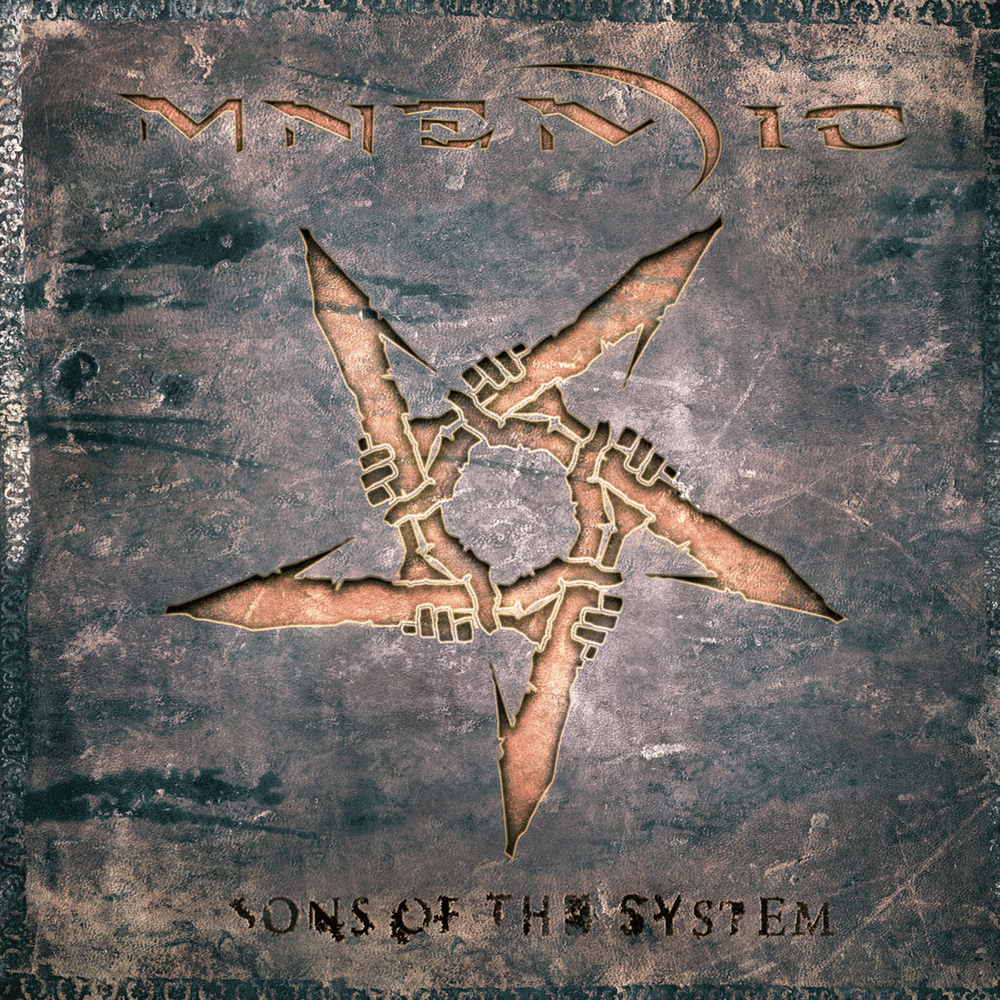
 View Artist