Song Meaning
The lyrics paint a vivid picture of a fragile, deliberate departure. The speaker is "Flying like a paper-crane," caught between a wistful desire to remain and an active push towards transformation. This journey promises an irreversible shift: "Never come back the same." It's a poignant snapshot of embracing the unknown.
At its core, the piece explores the profound tension between longing for stability and the pull of inevitable change. The repeated line, "You know I wish I could stay," directly expresses this yearning for permanence. Yet, this wish is immediately countered by the active pursuit of "Trying to leave into the change," suggesting a conscious decision or a forced acceptance of a new path. This push-and-pull creates a sense of melancholic resolve.
The central metaphor of the "paper-crane" is particularly striking. A paper crane is delicate, man-made, and its flight is dependent on external forces, yet it also carries connotations of wishes and peace. This imagery suggests a fragile, perhaps even artificial, self navigating a significant transition. The phrase "into the change" further emphasizes an immersive, all-encompassing transformation, rather than just a simple departure. The brief, fragmented interjection, "You gotta be cool, you gotta be-", offers a sudden, raw glimpse into the internal struggle for composure amidst this upheaval.
The power of these lyrics lies in their stark repetition and the evocative simplicity of their imagery. The cyclical nature of the verses mirrors the ongoing, perhaps recurring, process of transformation in life. By grounding the abstract concept of change in the tangible, yet delicate, image of a paper crane, the lyrics make the emotional weight of departure and metamorphosis deeply felt. The contrast between the speaker's wish to stay and their active "trying to leave" creates a relatable emotional landscape for anyone grappling with significant life shifts.
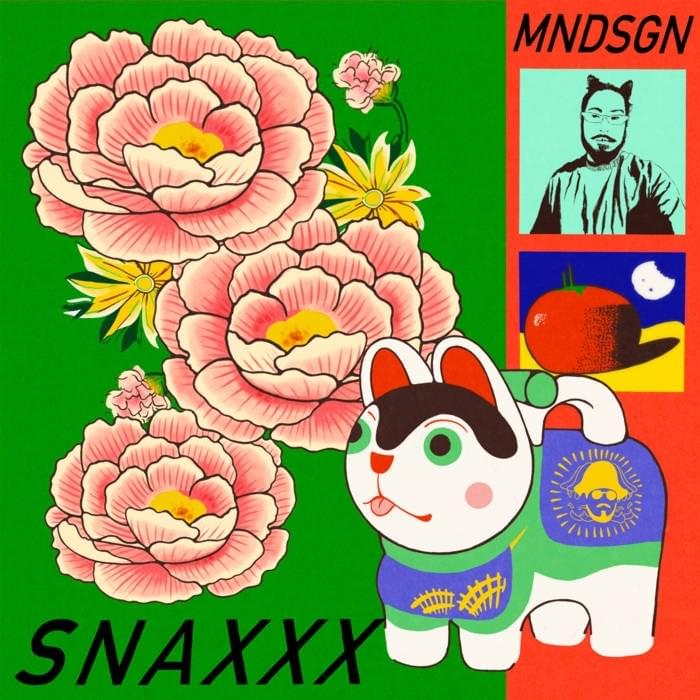
 View Artist