Song Meaning
The lyrics paint a stark picture of self-perception within a chaotic and morally ambiguous environment. The repeated phrase "Ты видешь себя" (You see yourself) acts as a constant, almost accusatory, reflection. It suggests that the narrator, or the subject of the song, finds their identity mirrored in the surrounding debauchery – among "блядей" (whores), "сук" (bitches), "Шлюх" (sluts), "Алкоголя" (alcohol), and "Наркотиков" (drugs). This isn't a celebration, but a grim acknowledgment of how the environment shapes one's self-image.
The core tension lies in this forced self-recognition. The narrator appears trapped, seeing their own reflection in the worst aspects of their surroundings. The repetition of these harsh descriptors, "Среди Шлюх ты видешь себя" (Among whores you see yourself), "Среди блядей ты видешь себя" (Among whores you see yourself), "Среди Алкоголя ты видешь себя" (Among alcohol you see yourself), "Среди Наркотиков ты видешь себя" (Among drugs you see yourself), hammers home a sense of inescapable identity tied to vice and degradation. The inclusion of "Долбоёб" (idiots/fools) adds a layer of self-deprecation or perhaps a judgment on those who don't understand the narrator's perceived reality.
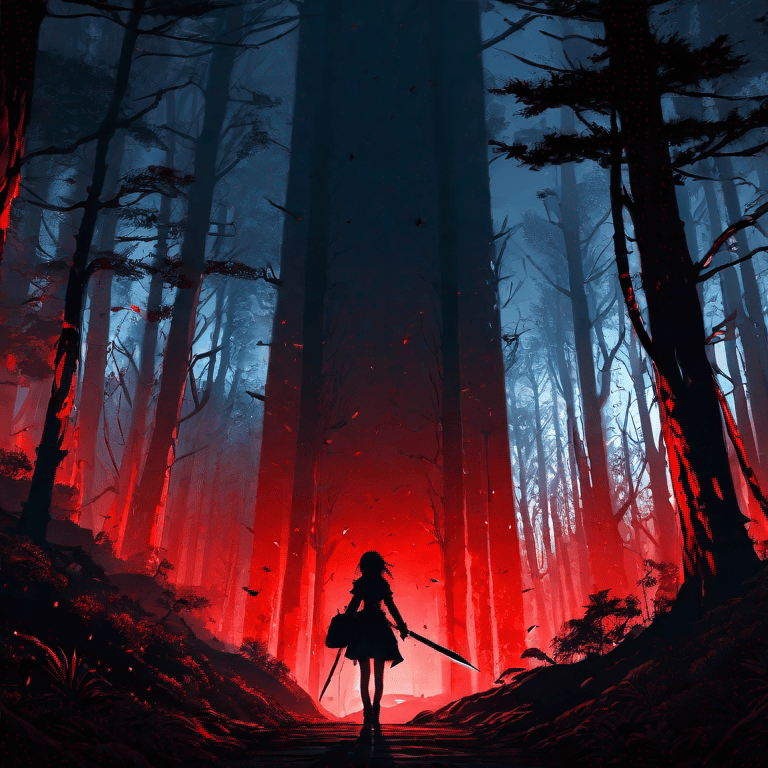
The imagery of "порталы" (portals) and "пентаграммы" (pentagrams) in the outro and verse adds a layer of dark, almost occult, symbolism. These elements, repeated insistently, suggest a descent into something deeper and more sinister than just a bad crowd. They hint at a ritualistic or inescapable cycle, a gateway to a destructive self. The "forest" setting for these symbols in the verse further isolates the experience, making it feel like a personal, hidden descent.
This lyrical construction is effective because it uses relentless repetition and stark, unflinching imagery to create a feeling of being consumed by one's environment. The direct address, "Ты видешь себя" (You see yourself), forces an uncomfortable confrontation with the self, making the bleakness of the surroundings feel like an internal state rather than just an external circumstance. The raw, almost aggressive language underscores the emotional weight of this self-observation.
 View Artist