Song Meaning
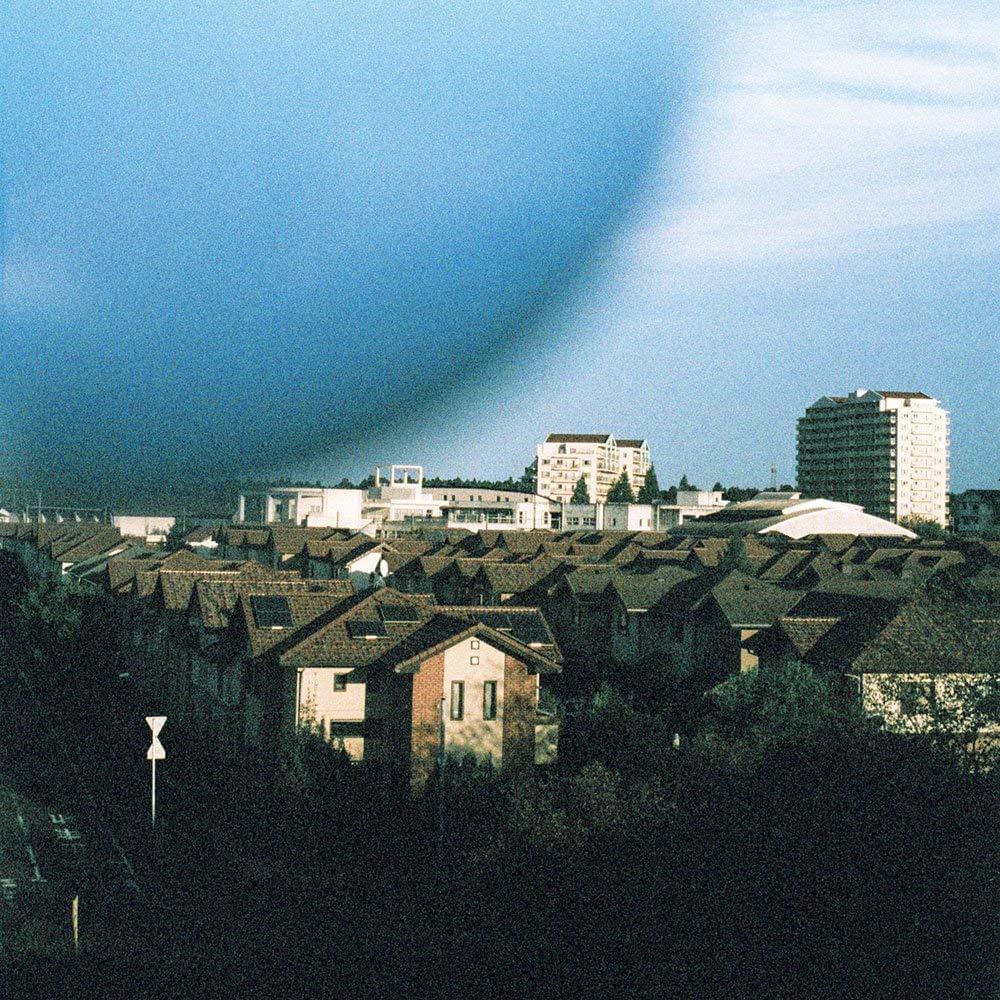
The lyrics paint a picture of two people caught in a quiet, almost static relationship, where unspoken understanding is desired but never fully achieved. The opening lines, "Long shadows stretch out / Before it gets dark," immediately set a tone of fading light and impending closure, hinting at a relationship that might be nearing an end or simply stuck in a prolonged twilight. The narrator observes their companion, who laughs off their trivial worries, a gesture that feels both comforting and isolating, suggesting a disconnect despite the apparent ease between them.
The core tension lies in the yearning for a deeper, telepathic connection versus the reality of their limited communication. The phrase "If we could just connect with telepathy / Just two people who only think" highlights this desire for effortless understanding. Yet, the narrator admits, "Sometimes I think I know you too well / But I can't understand anything in your eyes," revealing a profound gap. This feeling of being close yet distant echoes a past where even simple acts like writing and erasing a name were more communicative than their current silence, as they "spend the night without even calling each other's names."
The recurring imagery of "gathering sand that won't stop" and passing "several seasons" emphasizes the futility and passage of time within this stagnant connection. The narrator is trying to hold onto something ephemeral, like sand slipping through fingers, while seasons change around them. The repeated desire for connection, "If we could just connect as we are," is met with the same melancholic realization: they remain "just two people who only think." The inability to bridge this gap leads to nights spent "without even making promises," further solidifying the sense of unresolved longing and quiet resignation.
What makes these lyrics resonate is their delicate portrayal of unspoken emotional distance within proximity. The craft lies in the subtle contrasts: the shared laughter versus the unreadable eyes, the desire for telepathy versus the silence, and the passage of time versus the lack of progress. This creates a poignant atmosphere of missed opportunities and the quiet ache of knowing someone intimately yet feeling utterly apart, leaving the listener with a sense of shared, unspoken melancholy.
 View Artist