Song Meaning
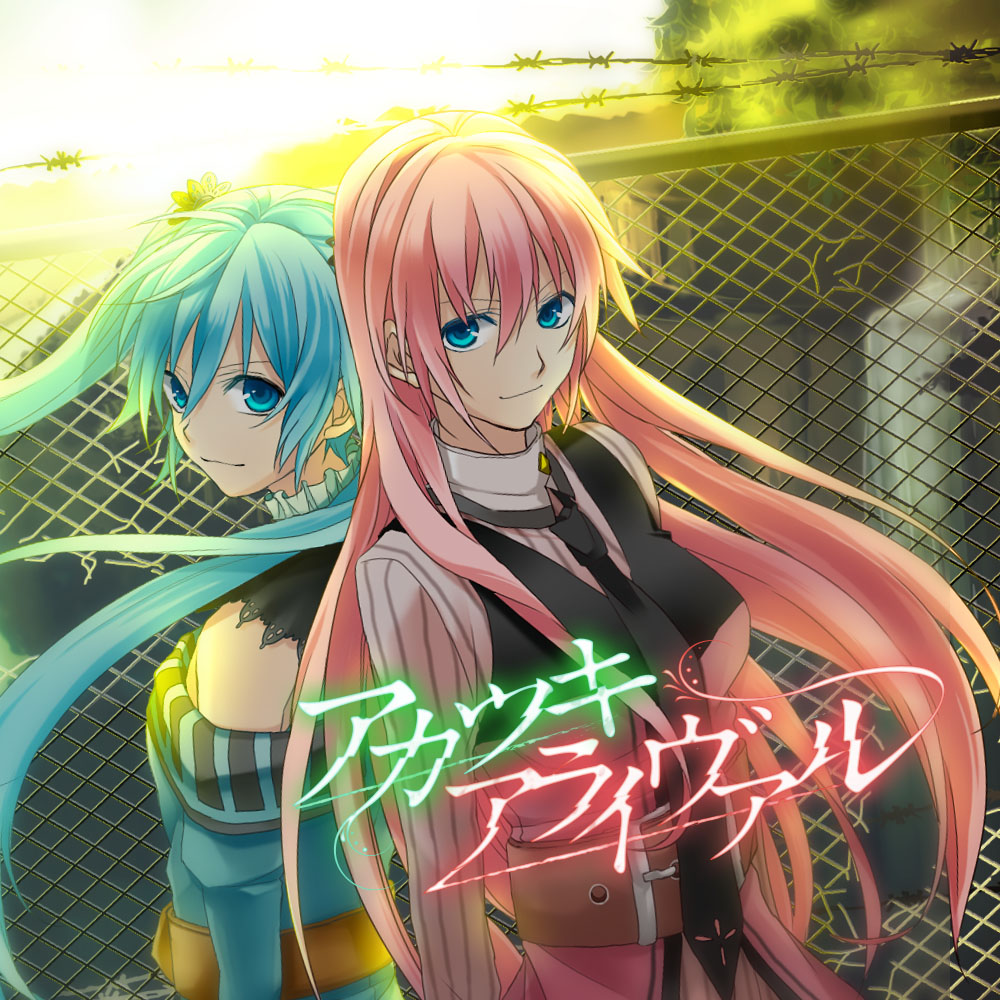
This track paints a vivid picture of a fierce rivalry, bordering on obsession, between two individuals. The opening lines immediately establish a competitive dynamic, with "barbed wire" suggesting a barrier to overcome and a drive for "higher ground." The narrator and their rival are locked in a gaze, needing no words, their focus solely on each other's profiles. This intense connection is built on mutual stimulation, a proximity that allows for touch but never actual embrace, highlighting a respect that stops short of true unity. The lyrics suggest a complex bond where each recognizes the other's irreplaceable role, stating, "No one else can be your substitute."
The core tension lies in the push and pull of this relationship, a journey marked by shared experiences, jealousy, and constant pursuit. They run together, learn from each other, and even laugh at their own perceived limitations, sharing a moment of mutual understanding: "Laughing, 'Is that all there is?'" Yet, this shared path is fraught with the realization that the race is endless, leading to a subtle shift from rivalry to a more profound, almost melancholic, acknowledgment of their intertwined destinies. The narrator grapples with the initial animosity, questioning why they've become so honest and open with someone they once saw as an adversary.
A striking element is the dialogue that reveals a deep, shared history, with one asking, "Remember?" and the other confirming, "I remember the days I walked with you." This past connection is contrasted with the present struggle, where one is left behind, running as if to reach the night sky. The lyrics hint at a separation, with the poignant question, "Why do you look up at the sky with such sad eyes?" The rival's departure is framed as a necessary step, a move towards a higher goal, even if it means leaving the narrator behind, unable to catch up no matter how hard they try.
The effectiveness of these lyrics stems from their raw portrayal of ambition intertwined with deep emotional connection. The back-and-forth between the two voices, particularly the poignant exchange where one says, "You can forget me..." and the other insists, "I won't forget... my greatest rival," captures the bittersweet nature of pushing each other forward. It’s this acknowledgment of mutual influence and the painful necessity of letting go for the sake of growth that resonates, transforming a simple competition into a profound reflection on shared struggle and individual destiny.