Song Meaning
This ditty paints a picture of a soldier, flush with payday, embracing a carefree existence. The initial declaration of "sixpence to last me all my life" sets a tone of simple, almost absurd, financial contentment. It’s a playful, if slightly naive, assertion of having just enough, or perhaps more than enough, for his immediate needs and obligations.
The core tension lies between the narrator's proclaimed "no cares" and the underlying reality of his situation. He boasts of having "twopence to spend, and twopence to lend, and twopence to send home to my wife." This distribution, while seemingly responsible, highlights a life dictated by small, fixed amounts, and the mention of a "wife-poor wife" adds a touch of pathos, hinting at a life perhaps less jolly than the chorus suggests.
The repeated phrase "rolling, rolling home" creates a powerful sense of cyclical movement and homecoming, amplified by the "silvery moo-oo-on." This imagery evokes a classic, almost romanticized, vision of a soldier returning from duty, perhaps a bit tipsy and full of good cheer. The contrast between the "jolly, jolly sixpence" and the potential hardship implied by the "poor wife" is where the song’s subtle emotional complexity resides.
Ultimately, the lyrics work by presenting a surface-level jollity that invites the listener to find a deeper, more melancholic resonance. The simple, repetitive structure and cheerful pronouncements mask a life of limited means and potential loneliness, making the soldier's happiness feel both genuine in its moment and fragile in its context.
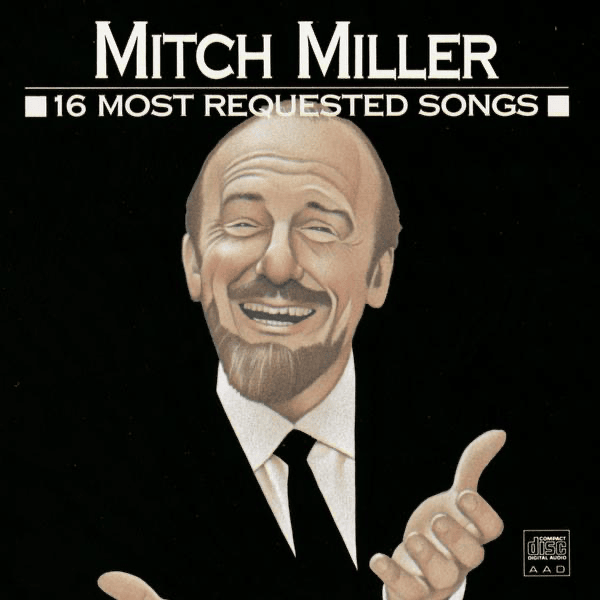
 View Artist