Song Meaning
The lyrics introduce a "little red rooster" who proudly declares its laziness, refusing to "crow for day." This isn't a typical farm animal; it's a disruptive force, keeping "everything in the farm yard upset." The initial tone is one of mischievous self-importance, almost a boast about its non-conformity.
Despite its declared laziness, this rooster is far from passive. It actively causes chaos, prompting "dogs begin to bark and hounds begin to howl." The tension lies in this character's dual nature: a creature that shirks its primary duty but creates a different kind of energy, even a warning to "strange cat people" that it's "on the prowl."
A striking shift occurs in the final stanza. The perspective moves from the rooster's self-description to an external plea: "Please drive him home." This reveals the profound impact of its absence. The farmyard, which the rooster previously "upset in every way," now "ain't had no peace" since it's "been gone." This paradox suggests that the rooster's disruptive presence, however chaotic, was a vital part of the farmyard's rhythm.
These lyrics are effective because they paint a vivid picture of a complex character whose absence creates a void. The initial boast of being "too lazy" is undercut by its active role in stirring things up, culminating in the surprising revelation that its chaos was, in its own way, a form of peace or necessary excitement. The narrative suggests that even troublesome figures can be deeply missed, highlighting an unexpected dependence on their unique energy.
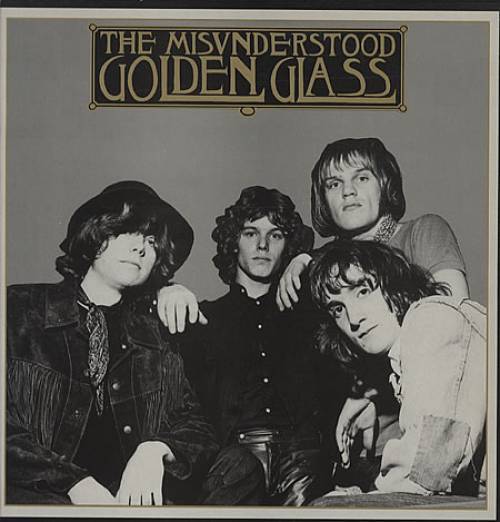
 View Artist