Song Meaning
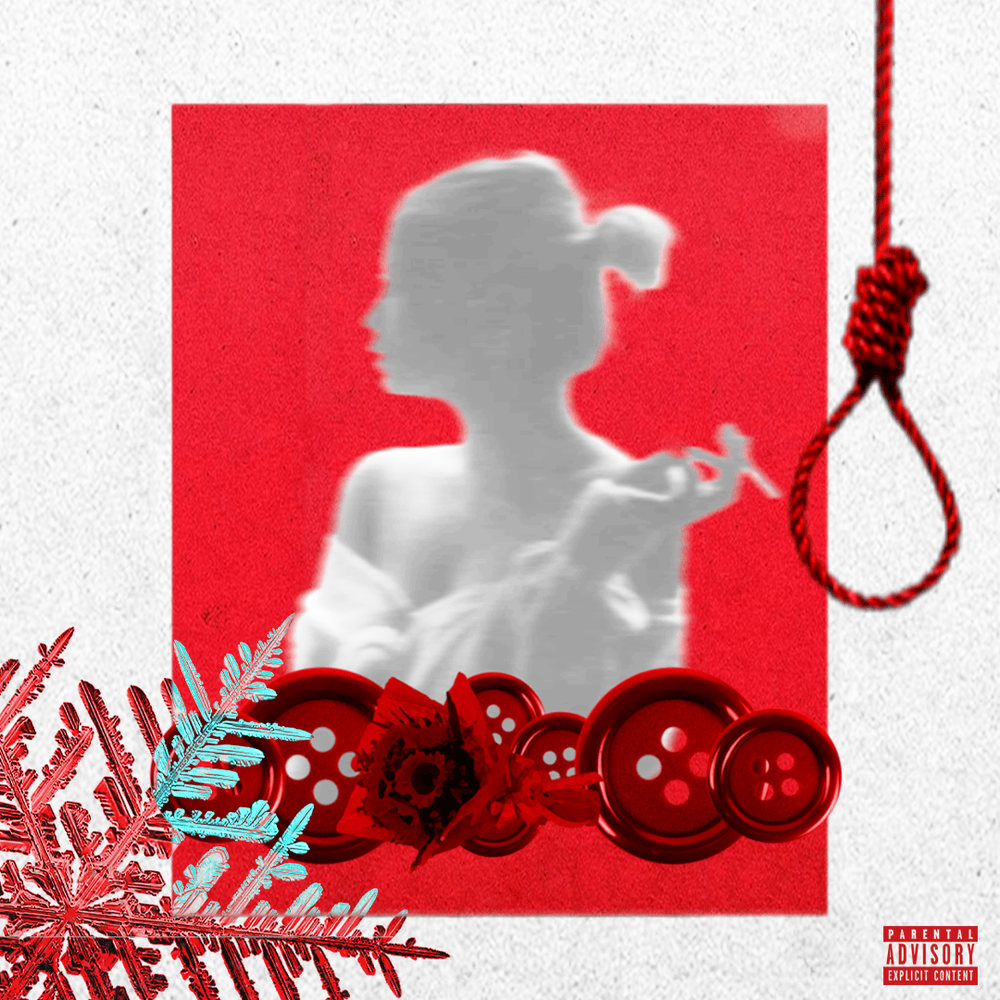
The song opens with a cozy, almost storybook image: snowflakes, pipes, teas, and gingerbread, all within a rustic cabin. This idyllic scene, however, is immediately undercut by a question of identity: "I don't really know who you are?" This sets up a central tension between a desire for warmth and connection and an underlying uncertainty about the other person.
The core conflict arises from the push and pull of intense attraction clashing with doubt. The narrator describes a "burning" desire, yet contrasts a "First of June, cold as January," suggesting that even in moments of passion, there’s an emotional chill or disconnect. This is amplified by the repeated phrase "sweet you, sweet I, together we are sweet," which is then immediately qualified by "but it's bitter, sometimes sour." This lyrical tug-of-war highlights the volatile nature of the relationship.
The most striking craft element is the juxtaposition of sweet and bitter tastes to describe the relationship's emotional landscape. The chorus explicitly states, "Sweet you, sweet I, together we are sweet / But it's bitter, sometimes sour." This sensory metaphor makes the emotional instability palpable. The narrator also shifts from a romanticized image in the intro to a more grounded, almost gritty depiction of themselves in the second verse: "My black hair, snow-covered / Dry lips, tight shirt / Cheeky dad, cheeky mom / And me, a kid with no money." This contrast between the idealized cabin and the harsh reality of their own background underscores the fragility of the connection.
Ultimately, the effectiveness of these lyrics lies in their honest portrayal of a relationship that is both intoxicating and deeply flawed. The narrator acknowledges the allure – the "thirst, that look and hunger" – but also the pain and uncertainty. The repeated plea, "Baby love, before it's too late," coupled with the eventual admission that the person is gone, captures the bittersweet ache of a love that was intense but perhaps unsustainable, leaving the listener with a sense of poignant regret.
 View Artist