Song Meaning
This brief, spoken-word intro and chorus paints a picture of a lost connection, centered around a name, "Pera-Lee." The initial spoken part sets a nostalgic, slightly melancholic tone, hinting at a memory of a song or a person associated with a specific place or event. The repetition of "Para-Lee, going to the World's Fair" establishes a vivid, almost dreamlike image of a shared past experience, full of potential and excitement.
The core emotional tension arises from the stark contrast between the joyful imagery of the World's Fair and the finality of the chorus. The repeated declaration, "Gone, she's gone, ain't comin' back no more," hammers home a sense of irreversible loss. It suggests that the bright, hopeful moment associated with Pera-Lee and the World's Fair is irrevocably over, leaving behind only the memory and the echo of what was.
The effectiveness of these lyrics lies in their stark simplicity and potent juxtaposition. The mundane act of trying to recall a tune, "can't memorize bunches of it," grounds the memory in a relatable human experience. This personal struggle to hold onto the past makes the subsequent pronouncement of absence feel even more poignant. The repetition of "she's gone" amplifies the feeling of finality, leaving the listener with a profound sense of what has been lost.
Ultimately, the lyrics capture the bittersweet ache of remembering a person or a time that can never be revisited. The World's Fair, a symbol of progress and spectacle, becomes a backdrop for a personal farewell. The simple, declarative statements about Pera-Lee's departure resonate because they speak to the universal experience of looking back at cherished moments that have passed, leaving behind an indelible, yet unreachable, imprint.
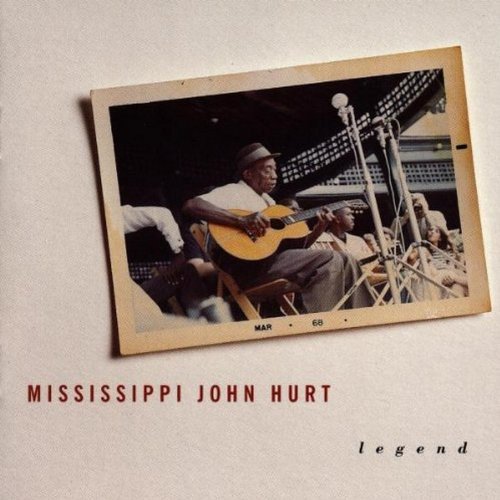
 View Artist