Song Meaning
The lyrics paint a picture of a narrator wrestling with deep despair, finding solace only in the ritualistic farewell to someone named Irene. The repeated refrain, "Irene, goodnight," acts as a lullaby, a gentle closing of the eyes, but it’s immediately followed by the poignant promise, "I will see you in my dreams." This suggests Irene is a figure of comfort, perhaps an idealized love or a lost connection, whose presence is confined to the subconscious realm.
The central tension lies in the narrator's volatile internal state, oscillating between different modes of existence. "Sometimes I lives in the country / Sometimes I lives in town" hints at a restless spirit, unable to settle. This instability culminates in the stark, almost suicidal impulse: "Sometimes I take a great notion / To jump into the river and drown." The contrast between this dark impulse and the tender "goodnight" to Irene is jarring, highlighting the depth of his internal struggle.
The song's structure masterfully employs repetition to underscore this emotional cycle. The constant return to "Irene, goodnight" acts as an anchor, a recurring plea for peace amidst chaos. The shift in the third verse, where the narrator seems to admonish himself or another figure with commands like "Stop rambling, stop gambling," offers a glimpse of a desire for stability and domesticity. However, this advice feels like a distant aspiration, a stark contrast to the immediate, overwhelming urge to escape into dreams.
Ultimately, the effectiveness of these lyrics stems from their raw, unvarnished portrayal of a mind in turmoil. The simple, almost childlike language, coupled with the profound sadness of the underlying themes, creates a powerful emotional resonance. The recurring dream motif suggests that for the narrator, true peace or connection is only attainable when awake consciousness ceases, making the nightly farewell to Irene both a comfort and a tragic admission of his waking reality.
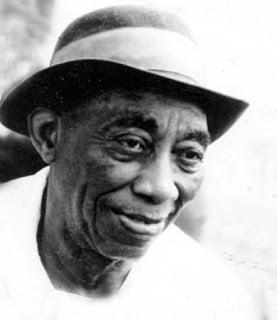
 View Artist