Song Meaning
The lyrics paint a picture of someone trapped in a suffocating, inescapable reality. A familiar, yet unsettling, face appears at the window, mirroring the narrator's own inability to move forward. The world's slowness amplifies this feeling of paralysis, making even simple questions feel insurmountable. This sense of being stuck is palpable, with the narrator only able to perceive a single, overwhelming perspective.
The dominant tension arises from a profound sense of loss and the struggle against an overwhelming inertia. The "heaviest sleep" suggests a state of deep despair or unconsciousness, a stark contrast to the remembered "pleasures are past." The present is defined by clinging "hands" and melting "dreams," indicating a desperate hold onto fading memories and a future that feels out of reach. This is a battle against a profound emotional or psychological weight.
The most striking aspect is the cyclical nature of thought and despair, particularly in the outro's insistent repetition: "Where thoughts are reborn." This refrain, appearing after the verses detailing the narrator's entrapment, suggests a desperate hope or a maddening loop. The "headlands" serve as a liminal space, a place where internal struggles might find new form, but the repetition implies this rebirth might be a continuous, perhaps futile, cycle rather than a true escape.
Ultimately, the effectiveness of these lyrics lies in their stark, almost claustrophobic imagery and the palpable sense of emotional stagnation. The contrast between past pleasures and present clinging, coupled with the overwhelming "question" that can't be seen around, creates a powerful portrait of internal struggle. The repeated "Where thoughts are reborn" leaves the listener with an ambiguous, lingering feeling of either potential renewal or perpetual confinement.
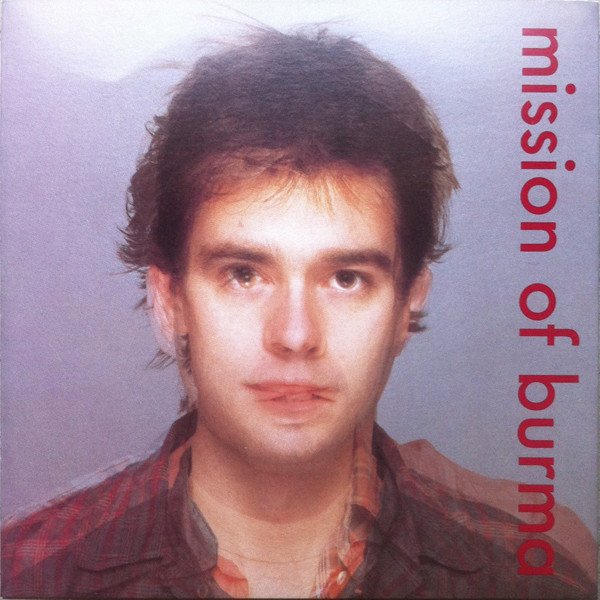
 View Artist