Song Meaning
The lyrics present a stark contrast between a confident, seemingly unshakeable "you" and a narrator experiencing profound internal doubt. The repeated "Okay" acts as a dismissive, almost sarcastic acknowledgment of the other person's certainty. This certainty is immediately undercut by the narrator's own "No way," signaling a fundamental disagreement or inability to accept the other's perspective. The opening verses establish this dynamic: the "you" has it "all worked out" and experiences "no doubt" at night, a state the narrator clearly doesn't share.
The core tension arises from this clash of certainty and uncertainty, particularly in moments of perceived crisis. The narrator feels a "feeling inside" that things "might not be" right, a visceral unease that clashes with the other person's rigid, unmoving stance. The implication is that the "you" is detached from reality or a deeper emotional truth, possessing a "sense" that is either lacking or deliberately ignored. This internal conflict is amplified by the external assertion of the other's flawed conviction.
The chorus delivers the most potent blow, directly confronting grand, ideological certainties. By invoking "God" and "Marx," the lyrics suggest that even the most foundational belief systems offer no solace when personal well-being is compromised. The narrator's admission, "I don't feel too well myself, no," grounds the existential questioning in immediate, personal suffering. This isn't abstract philosophy; it's a raw, human response to a world that feels fundamentally broken, rendering grand pronouncements useless.
What makes these lyrics hit so hard is their unflinching portrayal of personal disillusionment against a backdrop of perceived external confidence. The simple, repetitive structure, punctuated by the stark "Okay" and "No way," mirrors a frustrating, circular argument. The ultimate effect is a feeling of profound isolation, where even the most established frameworks of meaning fail to address a deep, personal sense of unwellness. The repeated "Oh no" at the end of the chorus is a raw, unvarnished expression of this despair.
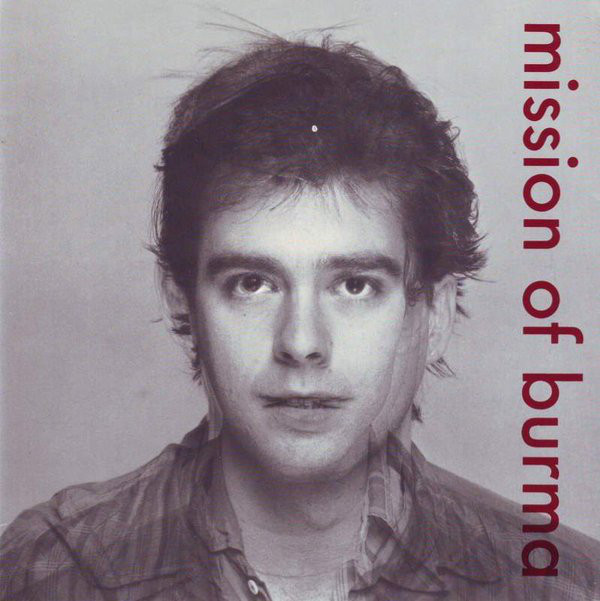
 View Artist