Song Meaning
The lyrics paint a picture of a vast, perhaps cosmic, loneliness. Phrases like "Terra nova" (new earth) and "In Aeternum" (forever) suggest an eternal, boundless existence, but this grandeur is immediately undercut by a sense of alienation. The repeated "We are strangers everywhere" and "lonely souls" establish a core tension between an infinite setting and a profound lack of connection.
The central conflict seems to be the human condition of seeking meaning and belonging in a universe that feels indifferent or even unknowable. The narrator questions fate with a "fortune teller" and grapples with the ephemeral nature of existence, moving "from dreams to dust." This journey is framed as an inescapable, solitary path, underscored by "Alone" and "Sine qua non" (without which not).
The juxtaposition of Latin phrases with English creates a unique texture, blending ancient, formal pronouncements with raw, modern anxieties. The repetition of "In Aeternum" and "Die gratia" (by the grace of God) acts as a haunting refrain, questioning whether this eternal state is a blessing or a curse. The imagery of "shadows on the moon" and "winds of silence" further amplifies the feeling of mystery and isolation.
Ultimately, the lyrics resonate because they tap into a deep-seated human fear of insignificance. The careful layering of grand cosmic themes with intimate feelings of loneliness makes the narrator's plight feel both epic and deeply personal. The writing effectively uses its fragmented, almost incantatory structure to evoke a sense of searching and existential unease that lingers long after the words fade.
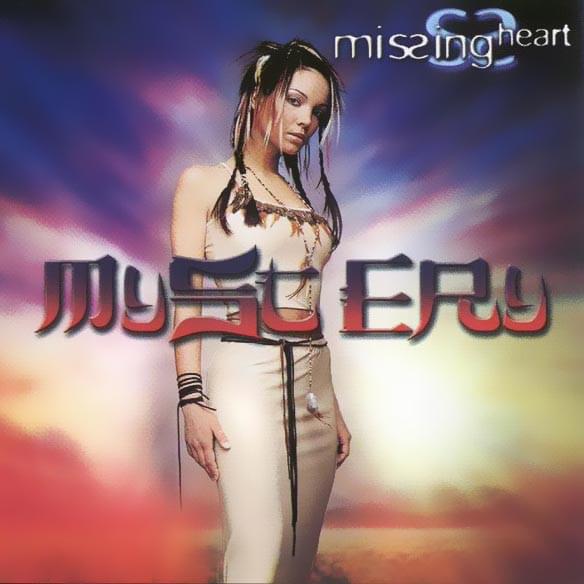
 View Artist