Song Meaning
Miss Kittin's "Kiss Factory" isn't peddling sentiment; it's dissecting the commodification of intimacy in a hyper-capitalist world. The cold repetition of "No kiss... no kiss... no kiss..." immediately establishes a sense of scarcity and manufactured desire. This isn't about genuine affection; it's about a transaction, a service provided on demand, where "only French ones left in stock," suggesting a limited and perhaps fetishized range of options. The "kiss factory" itself becomes a metaphor for the industrialization of human connection, where emotions are processed, packaged, and sold. The lyrics cleverly highlight the artificiality of modern relationships, reducing them to mere exchanges. The line "Two kisses for the price of one" is a stark example, turning love into a Black Friday deal. This analysis of the "Kiss Factory" lyrics shows that the song is less about the act of kissing and more about the dehumanizing effect of treating affection as a product.
The song's psychological depth lies in its exploration of power dynamics and the objectification of the self. The singer positions herself as both a worker and a product within this factory setting. The lines "Open when the boss says so / Pay the bill and let me go" reveal a sense of resignation and exploitation. She is available, but only on specific terms, highlighting the transactional nature of the relationship. The phrase "Watching ourselves from above" suggests a detached, almost clinical observation of their interaction, emphasizing the lack of genuine connection. This is further reinforced by the robotic instruction to "click on the lip machine," reducing physical intimacy to a mechanical act.
Ultimately, Miss Kittin's "Kiss Factory" is a commentary on the erosion of authentic emotional experiences in a society obsessed with consumerism. The refrain, "You say you can't forget about me / Find me at the kiss factory," is not a declaration of love but a sardonic invitation to participate in this charade. The "anti-hero line" and the demand to "pay me in kind" further underscore the transactional nature of the relationship. The song leaves the listener questioning the authenticity of their own desires and connections, prompting reflection on the true cost of commodified intimacy.
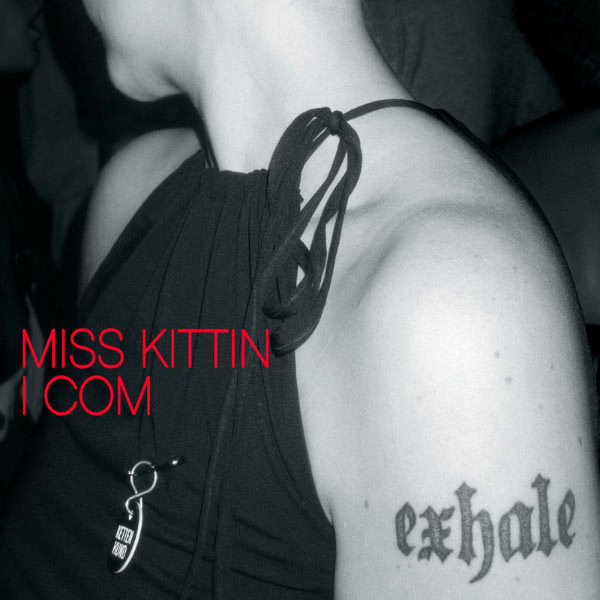
 View Artist