Song Meaning
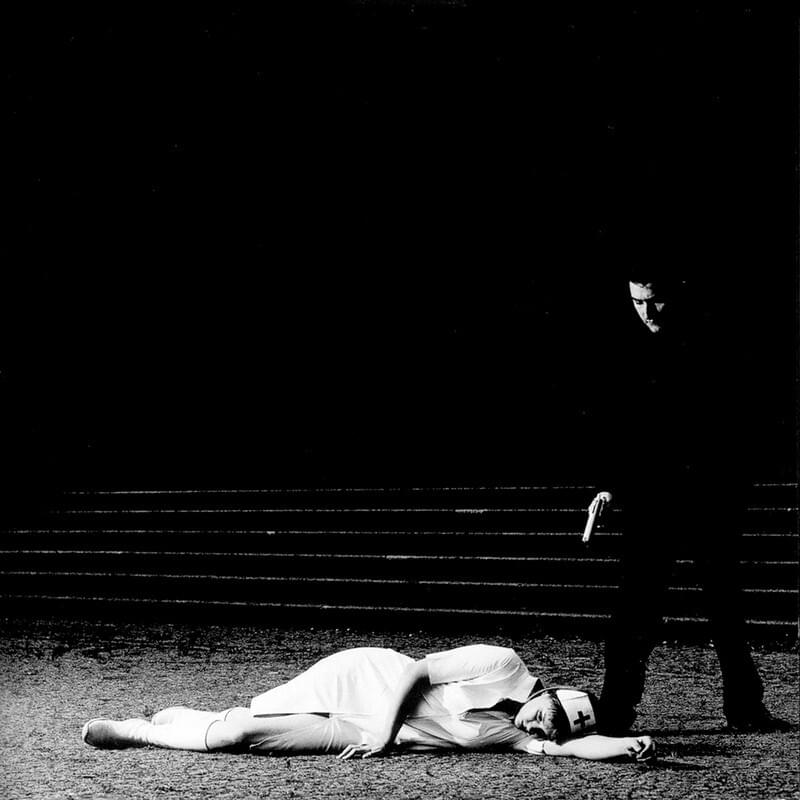
The lyrics paint a stark picture of performance anxiety, set against the backdrop of a fresh start. The narrator feels the palpable presence of "the man in the shadow" who "plays keyboards," an unseen force that seems to dictate the performance. This shadowy figure, coupled with the narrator's fear, creates an immediate sense of unease. The repetition of "in a new life" underscores the pressure and vulnerability of stepping into an unknown future, where every action, especially singing in the dark, feels fraught with consequence.
The central tension arises from the obligation to perform despite profound fear. The narrator must "sing in the night," a phrase that evokes both literal darkness and the metaphorical uncertainty of their new circumstances. This isn't a triumphant debut; it's a hesitant, fearful act driven by necessity rather than desire. The "new city" and "new life" amplify this, suggesting a lack of familiar support and an overwhelming sense of exposure.
The most striking element is the personification of the unseen musical accompaniment as a looming presence. "The man in the shadow is behind me" transforms the technical act of playing synthesizers into a source of dread. It suggests that the very tools of creation are perceived as a threat, or perhaps that the pressure to create something new and impressive is overwhelming. The simple, direct statements of fear and obligation create a raw, unvarnished emotional landscape.
This lyrical approach is effective because it strips away pretense, laying bare the core anxieties of facing a new beginning under a spotlight. The repetitive structure, especially of "in a new life," hammers home the feeling of being trapped in a cycle of daunting new experiences. The fear isn't abstract; it's tied directly to the act of singing in a strange place, making the narrator's vulnerability intensely relatable.
 View Artist