Song Meaning
The lyrics paint a stark picture of longing and emotional desolation, set against the backdrop of a cold, isolating departure. The narrator recalls a visceral moment at the airport, their chest 'bursting,' immediately followed by a physical surrender to the 'winter,' waiting 'shivering.' This opening establishes a profound sense of absence and vulnerability, amplified by the desperate act of 'kidnapping' the scent of a loved one's neck to find solace in sleep. The dominant tone is one of aching dependency and a fear of stillness.
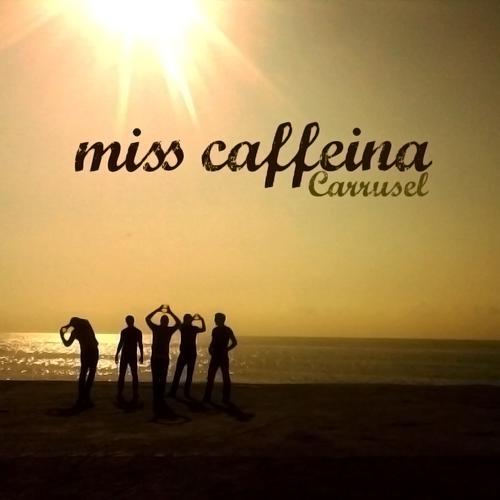
The central tension revolves around a desperate attempt to outrun time and emotional pain, embodied by the insistent refrain, 'We won't stop the carousel, and we won't stop time.' This cyclical imagery suggests a frantic effort to maintain momentum, perhaps to avoid confronting the sadness or the reality of separation. The narrator is clearly trapped in a state of emotional paralysis, where stopping means succumbing to despair, yet the relentless motion offers no true escape. The 'game of hands' becomes a source of fear, hinting at an unsettling intimacy or a manipulative dynamic that contributes to their distress.
What's particularly striking is the stark contrast between the desire for connection and the resulting despair. The narrator admits, 'You've managed to turn me into the saddest boy in the whole city,' a devastating confession that highlights the profound impact of the other person's presence or absence. The plea to 'lower yourself a bit more' and 'let yourself fall' suggests a desire for deeper surrender or perhaps a plea for the other person to meet them in their vulnerability, but it's framed by the overwhelming sadness they've induced. The lyrics masterfully use the 'carousel' as a metaphor for this unsustainable, dizzying cycle of hope and despair.
Ultimately, these lyrics resonate because they capture the raw, disorienting feeling of being stuck in a painful emotional loop. The specific, almost physical details—the bursting chest, the kidnapped scent, the shivering—ground the abstract pain in tangible sensations. The relentless repetition of the carousel and time, coupled with the narrator's admission of profound sadness, creates a powerful sense of being trapped, making the desire to keep moving feel less like freedom and more like a desperate, futile flight from an inescapable reality.
 View Artist