The Hunger (Demo Version)
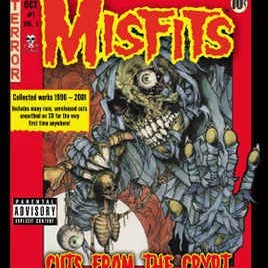
 View Artist
Lyrics
We become... Erupt in violence Destroy the silence Our time has come - Go! We are the outcasted ancient descendants The ones who've been calling and Would you still die for the dead yet still living Starved of a time that's now come We are the children... The hungry children We become... erupt in violence Seduce the silence Our time has come - Go! We are the kindred Hell's Ancient descendants slaves Begging the night not to go... Would you still die for? The dead yet still living Starved of a life that's now gone We are the children, the hungry children (We become...) The blood quench the hunger The blood quench the hunger The blood quench the hunger
Rate this song
0/5.0 - 0 Ratings
5
0.0% (0)
4
0.0% (0)
3
0.0% (0)
2
0.0% (0)
1
0.0% (0)
Loading comments...
Credits
- Writers
- Michale Graves
- Misfits