Song Meaning
The lyrics paint a stark picture of someone paralyzed by the fear of living, or perhaps the fear of dying without having truly lived. The narrator stays awake until dawn, staring into a mirror but refusing to see the signs of aging, a subtle acknowledgment of time passing. This avoidance suggests a deep-seated dread of mortality, underscored by the chilling refrain that death might arrive and find that nothing has truly happened.
The central tension lies in this profound inaction and the resulting emptiness. The imagery of a neatly made bed, devoid of any 'stains on the sheets,' highlights a life unexperienced, particularly in love. The focus on solitary physical elements – 'only two feet, only two hands, a single face – crushing the pillow' – emphasizes isolation and a desperate, silent struggle against an unseen adversary, likely the fear itself.
The most striking element is the recurring, almost resigned pronouncement: 'One of these days death will arrive, and nothing will have happened.' This phrase is not a threat but a quiet, devastating observation. It suggests that the fear of living has effectively rendered life meaningless, a state of perpetual anticipation of an end that will confirm the absence of any meaningful experience.
This lyrical construction is effective because it translates an abstract existential dread into concrete, yet understated, images. The quietude of the scenes – the late-night vigil, the unblemished bed – amplifies the internal turmoil. The repetition of the final line hammers home the tragic consequence of this fear: a life lived in avoidance becomes a life unlived, a void waiting for death to confirm its emptiness.
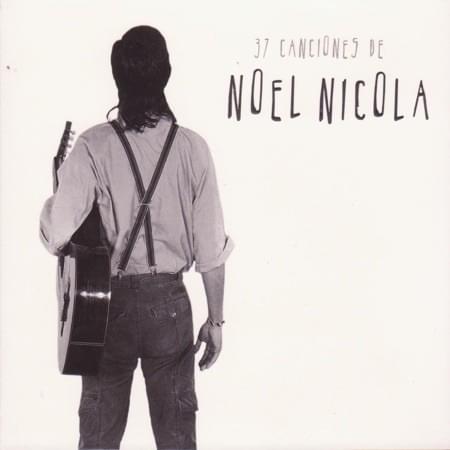
 View Artist