Song Meaning
The lyrics paint a picture of someone fiercely reclaiming their autonomy after a draining relationship. The opening lines, "Finders keepers, oooooh / Listen, this is getting old," immediately signal a shift from passive endurance to active declaration. The narrator feels the cost of constantly being "braver than you," suggesting a dynamic where they've been the one pushing forward while the other person lagged. This effort feels like a sacrifice, "selling my soul," highlighting the deep personal toll the relationship has taken. The declaration, "You will never win me over / I'm on my own side," solidifies this newfound resolve and self-reliance.
The core tension lies in the narrator's declaration of independence versus the lingering echoes of past hurt. Phrases like "Name me then shame me / Take my pride" reveal the emotional damage inflicted. Yet, the repeated assertion "I'm over you" in the chorus, coupled with the even more encompassing "I'm over today" and "I'm over yesterday," demonstrates a powerful, albeit perhaps premature, attempt to sever all ties. The caveat "Even if tomorrow comes too soon" hints at the fragility of this resolution; the future might still hold challenges, but the present focus is on moving past the pain.
One of the most striking lyrical devices is the imagery of "Breaking ways / Changing names / Crashing crystal ashtrays." This sequence of actions suggests a deliberate dismantling of the past and the creation of a new identity, marked by destruction and transformation. The "crystal ashtrays" specifically evoke a sense of delicate, perhaps once-valued, possessions being shattered. This destructive act is mirrored in the second verse's "This is my personal circus / Only I can see this clear," where the narrator asserts ownership over their own complex internal world, a space others cannot fully access or understand.
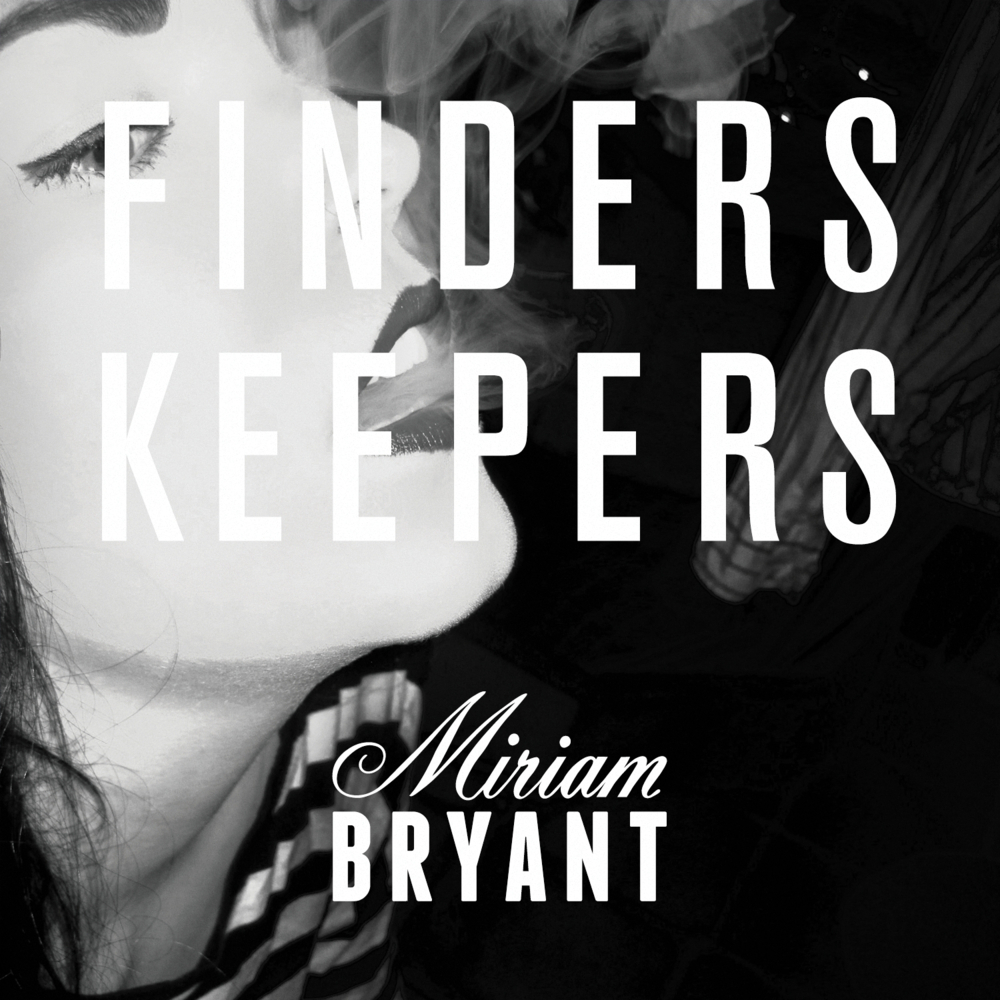
Ultimately, these lyrics resonate because they capture the raw, defiant energy of someone choosing themselves. The repeated "Finders keepers" hook, initially a playground taunt, transforms into a powerful assertion of ownership over one's own life and choices. The narrator's willingness to "take me, leave me, I don't care" isn't apathy, but a shield forged from past hurts, indicating a deep-seated strength that can't be easily broken or manipulated. It's the sound of someone deciding their own worth is no longer up for negotiation.
 View Artist