Song Meaning
This song paints a stark picture of a single day within a life, characterized by its ultimate disappearance into darkness. The repeated phrase "Viena diena manā mūžā" (One day in my life) acts as a somber refrain, each instance defining that day by something lost or extinguished. It's a day that burns out like a wick, wilts like a flower, or blows away like the wind, all consumed by "tumsā" (darkness).
The central tension lies in the narrator's bewildered questioning of how such a potent, vibrant day could simply cease to exist. The lyrics pose rhetorical questions: "Kā var tā būt / Ka diena ir dakts, kas sadeg?" (How can it be / That a day is a wick that burns up?). This bewilderment highlights the profound sense of loss and the inability to comprehend the ephemeral nature of time and experience when it leads to oblivion. The day, despite its potential for light and sound – a spark, a voice, a ray of light – ultimately leaves only darkness behind.
The most striking aspect of the craft is the consistent use of natural imagery and elemental forces to describe the day's fate, all framed by the pervasive darkness. A day is a wick, a flower, wind, a spark, a voice, gold, a ray of light, a cup, and finally, wind again. Each metaphor emphasizes transience and eventual disappearance, reinforcing the idea that this particular day, and perhaps all days, are ultimately swallowed by the void. The repetition of "ir tumsu atstājusi, ir" (has left darkness, it has) after many of these descriptions underscores the finality of this consumption.
What makes these lyrics so effective is their stark, unadorned portrayal of existential loss. The simple, declarative sentences and the relentless focus on disappearance create a powerful emotional resonance. The narrator isn't railing against fate but is instead quietly observing the inevitable fading of a significant moment, leaving the listener with a profound sense of melancholy and the unsettling realization of time's passage and its ultimate end.
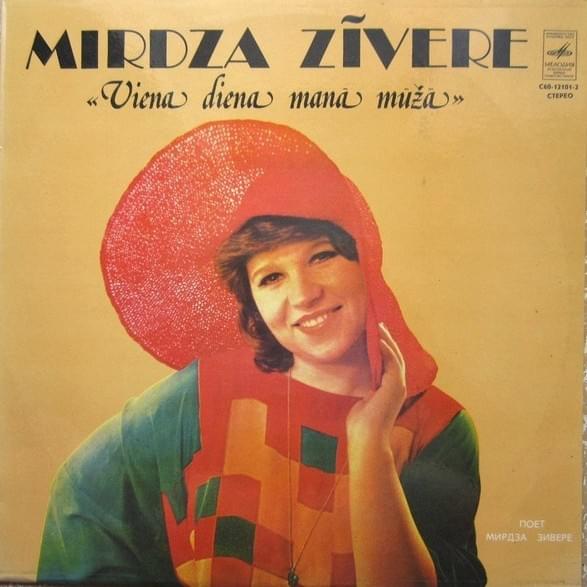
 View Artist