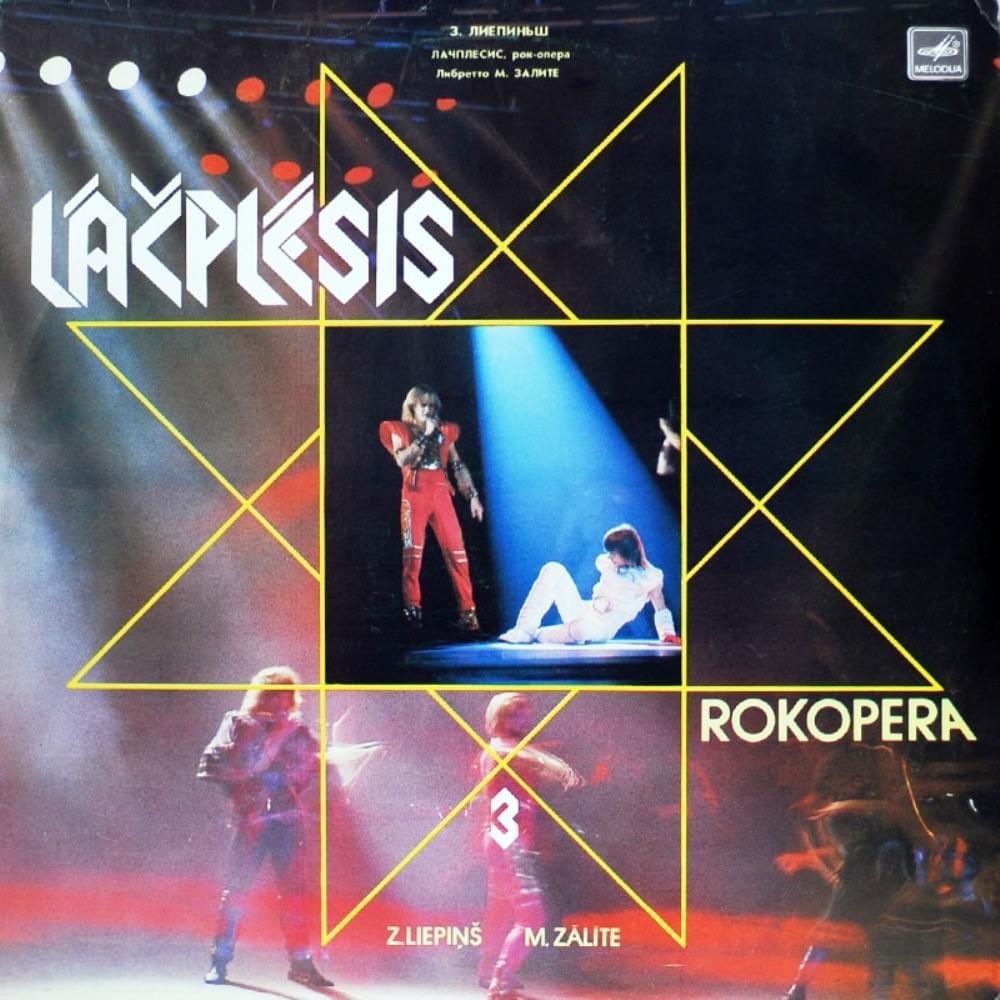
Song Meaning
The lyrics paint a picture of two travelers, Lāčplēsis and Kangars, facing an unexpected delay on their journey. Lāčplēsis expresses a simple, direct question about their arrival time, setting a tone of mild urgency. Kangars delivers the disappointing news: they won't make it tonight and will have to stay overnight in Aizkraukle. This immediate shift from potential arrival to enforced pause establishes the central conflict of the passage.
Kangars's reasoning for the delay, that the horses need to rest, clashes with Lāčplēsis's recollection of his father's advice to travel without lodging. This creates a subtle tension between tradition or past wisdom and present necessity. The repeated phrase "Kraukļu ligzda Aizkraukle gatavā" (A crow's nest, Aizkraukle is ready) is particularly striking. It's used by Lāčplēsis, perhaps sarcastically, to describe their unplanned stop, while Kangars dismisses it as "veču padomā" (just old men's thinking).
This repetition and contrasting reaction highlight a generational or ideological difference. Lāčplēsis seems to be using the phrase to acknowledge the grim reality of their situation, while Kangars rejects it as a sign of weakness or outdated thinking. The effectiveness lies in this understated friction, the way a simple travelogue reveals a deeper disagreement about how to approach life's unexpected detours. The lyrics suggest that even a brief stop can become a microcosm of differing perspectives on hardship and planning.